Over 70% of creative production time is spent on execution, not ideation.
Sources: McKinsey; Adobe State of Creativity; Asana Anatomy of Work
This statistic explains why creative production is undergoing the biggest structural shift since the move from analogue to digital. Not because of new tools alone, but because the entire system of creativity is being re-engineered.
Artificial intelligence is no longer operating quietly in the background. It has moved from automating repetitive tasks to influencing how ideas are explored, stories are shaped, and creative teams perform at scale. This isn’t a tooling upgrade. It’s a fundamental redesign of how creativity flows.
As such, AI cannot be labeled a creativity killer, but rather a force that changes the process, pace, and possibilities, while making human creativity more valuable, not less.

Creative production has historically been fragmented. Writers, designers, editors, and motion artists all work in separate tools, exporting and importing endlessly, losing momentum at every handoff.
AI is dismantling that fragmentation. The next generation of creative workflows isn’t tool-based. It’s system-based. Ideas, visuals, motion, sound, and narrative now evolve inside a single, continuous creative environment.
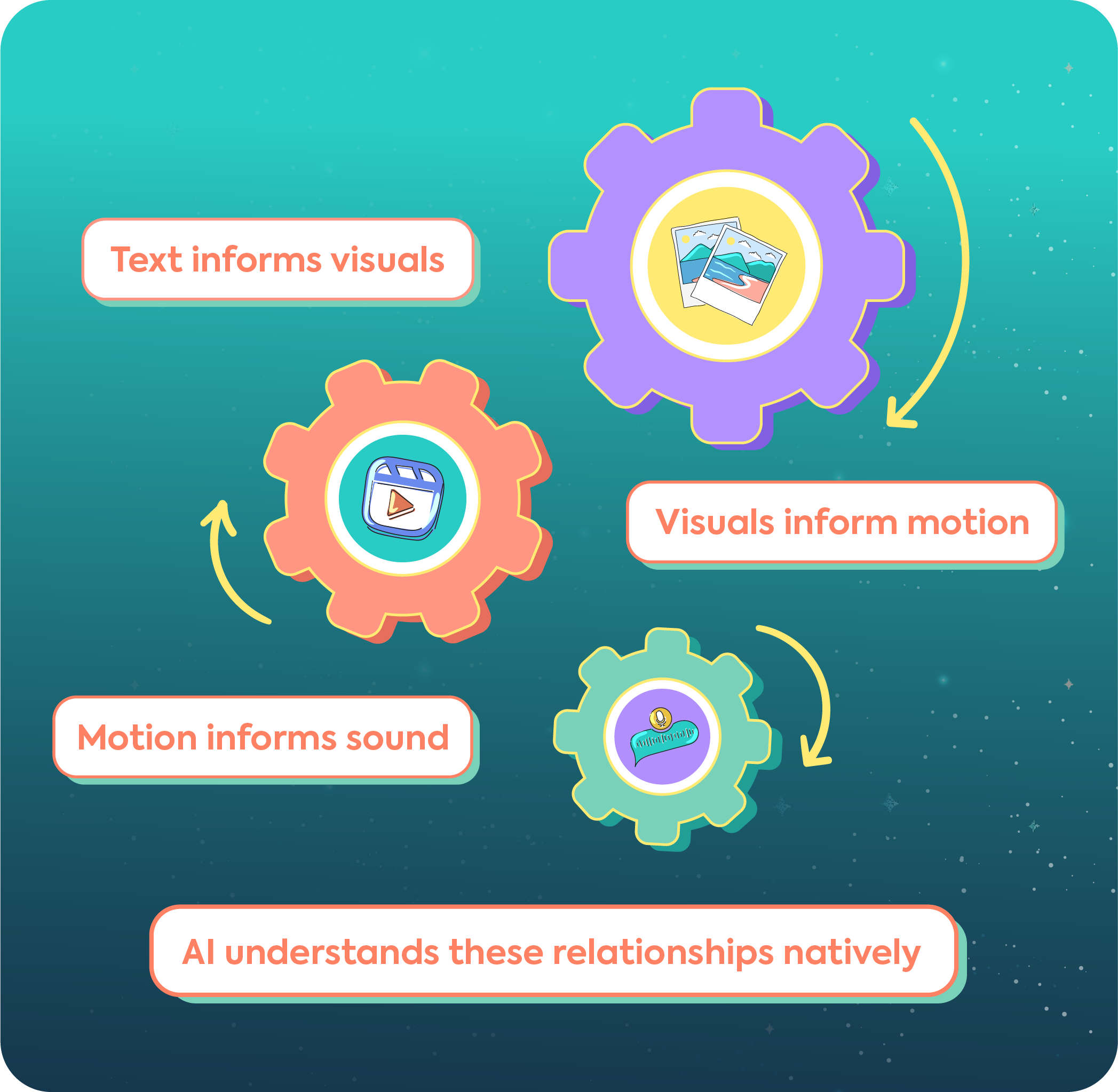
Text informs visuals. Visuals inform motion. Motion informs sound, and AI understands these relationships natively.
Example:
Creativity has never been linear. Now AI-driven workflows reflect that. The future of creative production isn’t more software. It’s fewer, smarter systems working together. For instance:
- Adobe Firefly + Creative Cloud: Keeps ideation, generation, and production inside one ecosystem
- Figma with AI plugins: Allows copy, design, and interaction to evolve together
- Runway: Connects text, image, and video in one creative loop
The future isn’t more software. It’s fewer, smarter systems working together.

The fear that AI will “replace creatives” misses what’s actually happening. Execution-heavy tasks, such as resizing, formatting, versioning, and minor edits, are becoming increasingly automated, streamlining results and reducing processing times effectively.
This shifts human creatives toward what actually creates value:
- Concept development
- Narrative structure
- Visual direction
- Emotional tone
- Strategic decision-making
AI Tools taking execution off your plate:
- Canva Magic Resize / Adobe Express: Automates multi-format production
- Descript: Handles transcription, rough cuts, and version control
- Smartly.io: Generates and tests creative variations at scale
The creative advantage of the future won’t come from producing more assets faster. It will come from clarity of intent, taste, and vision.

Early AI workflows were transactional: prompt in, output out. That era is ending. AI systems are becoming conversational, contextual, and iterative. They learn preferences, retain creative direction, and evolve ideas over time. Creative teams no longer start from zero with every iteration; they build momentum.
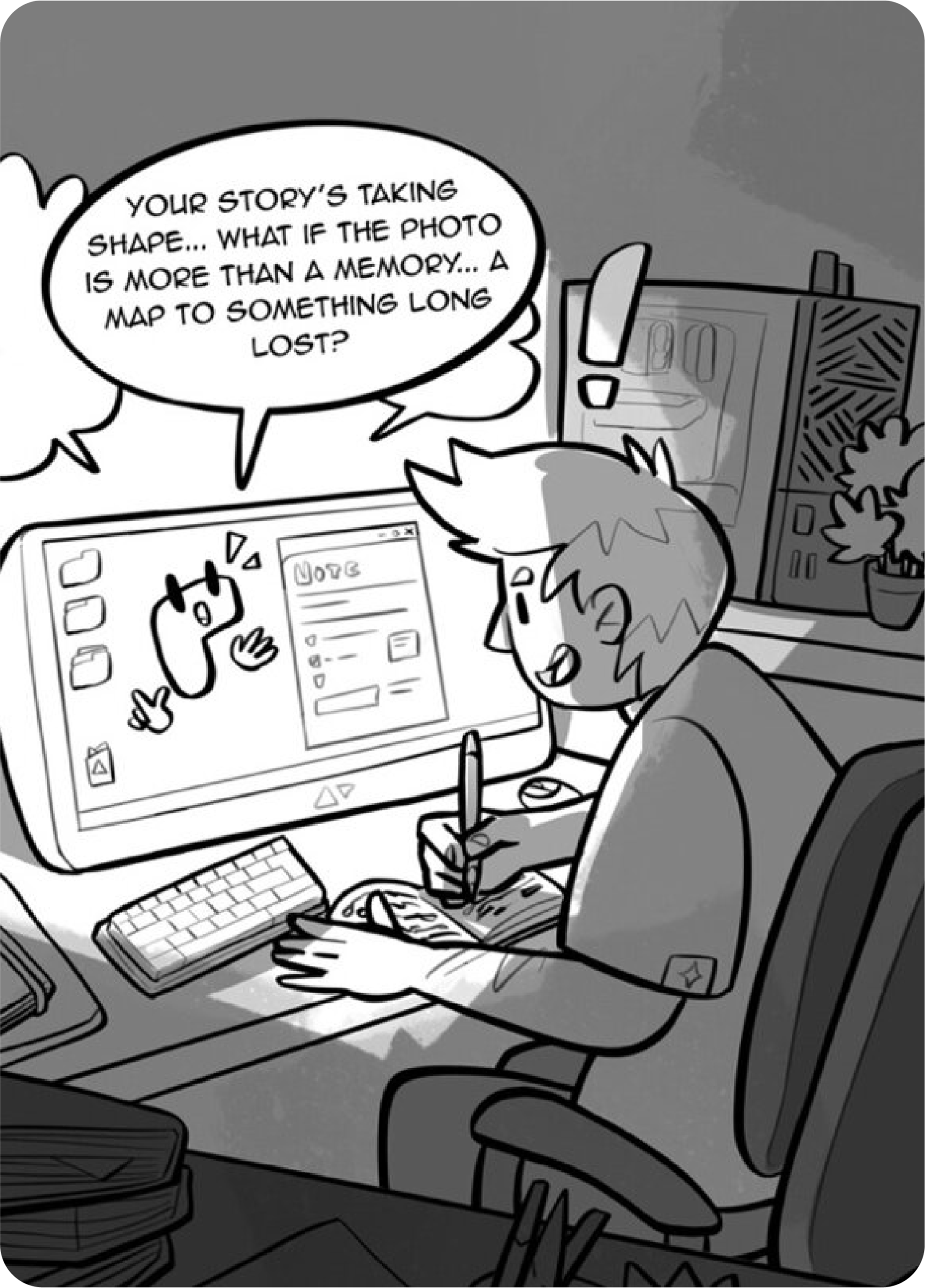
This enables:
- Rapid idea exploration
- Multiple creative directions that can be tested simultaneously
- Bolder experimentation with lower risk
One of AI’s most underrated impacts is that it removes the fear of wasted effort, the silent killer of great ideas.

Speed has always been the enemy of quality, until now. AI removes repetition, not judgment. It accelerates production without compressing decision-making.
Where this balance shows up in practice:
- Runway + After Effects: AI drafts motion quickly; humans refine pacing and emotion
- Jasper / Writer: Speeds up content creation while enforcing brand voice
Automation creates speed, not pressure. Taste still matters. Knowing when a visual resonates. When a story lands. When something feels right. AI generates options. Humans choose meaning. The future won’t reward corner-cutting. It will reward teams that eliminate friction.

The next evolution is agentic workflows: systems that can self-direct multi-step creative processes. Creative leaders no longer have to micromanage tasks. They set intent:
- Who is this for?
- What should it feel like?
- What outcome are we aiming for?
AI sequences, iterates, and optimises. Humans guide, refine, and approve. Creative directors become orchestrators, shaping vision instead of managing execution.
Tools enabling orchestration:
- ClickUp AI: Manages briefs, tasks, approvals, and iteration cycles
- Zapier/Make: Connects tools into multi-step creative workflows
In addition to these tools, there are several other options that simplify agentic workflows and eliminate roadblocks. Depending on the nature of your business, you can find solutions that deliver quicker results without taking up space or time.

Iteration used to be expensive. Slow. Risky. AI flips that model. Ideas can now be explored, refined, discarded, and rebuilt rapidly. Teams can test more, kill weak ideas faster, and commit confidently to what works.
Tools built for iteration:
- ChatGPT (Custom GPTs / Projects): Retains brand tone and creative context across revisions
- Notion AI: Keeps briefs, feedback, and iterations in one shared space
- Midjourney: Allows visual ideas to evolve instead of restarting
This doesn’t create chaos. It creates clarity. Great creativity has always emerged through exploration. AI simply accelerates that truth.
AI-First Creative Studios Are Already Here
AI-first studios don’t “add AI” to old workflows. They build around it.
They:
- Train systems on brand language and style
- Integrate AI at the conceptual level
- Automate to protect creative focus
The difference isn’t access to technology. It’s how deliberately it’s embedded into creative culture.
What AI Still Can’t Do
AI is powerful, but its limits matter. It doesn’t truly understand:
- Cultural nuance
- Emotional timing
- Ethical context
- Creative intention
It can reflect patterns. It cannot create meaning. That’s why human judgment isn’t optional. The future belongs to teams who know where AI excels and where humans must lead.
Creative Integrity in an AI-Driven World
As AI integrates deeper, questions of authorship, ownership, and transparency become critical. Audiences care about authenticity. Brands must decide how they use AI and how openly they communicate it.
AI doesn’t threaten creative integrity. Irresponsible use does. Clear standards, ethical frameworks, and intentional boundaries will separate meaningful creative work from novelty-chasing.
A real-world signal of what responsible integration looks like comes from the Associated Press. As one of the world’s most trusted news organisations, AP has publicly defined how AI can be used across its creative and editorial processes. AI supports tasks like transcription, tagging, and automation, but human journalists retain full authorship, accountability, and editorial judgment at every stage.
By making its AI standards explicit, AP removes ambiguity. Technology accelerates execution, while humans remain responsible for meaning, ethics, and trust. That clarity is what separates integrity-led creative systems from novelty-driven experimentation.
This is the direction forward: clear standards, ethical frameworks, and intentional boundaries that allow AI to enhance creative work, without diluting credibility.
How Creative Teams Should Prepare
This isn’t about adopting every new tool. It’s about the mindset. Future-ready teams focus on:
- Streamlining before scaling
- Building shared AI literacy
- Experimenting without fear
- Prioritising vision over volume
The most automated teams won’t win. The most deliberate ones will. Here’s an Iriscreatives resource you can use to further understand the concept better.
Let’s Take a Look at How Coca-Cola Is Adopting AI Workflows
Coca-Cola is already showing how AI can scale creativity while preserving brand identity. Through its “Create Real Magic” initiative, the brand leverages AI to accelerate content production, experiment with creative ideas, and adapt campaigns for local markets — all without compromising its iconic visual identity.
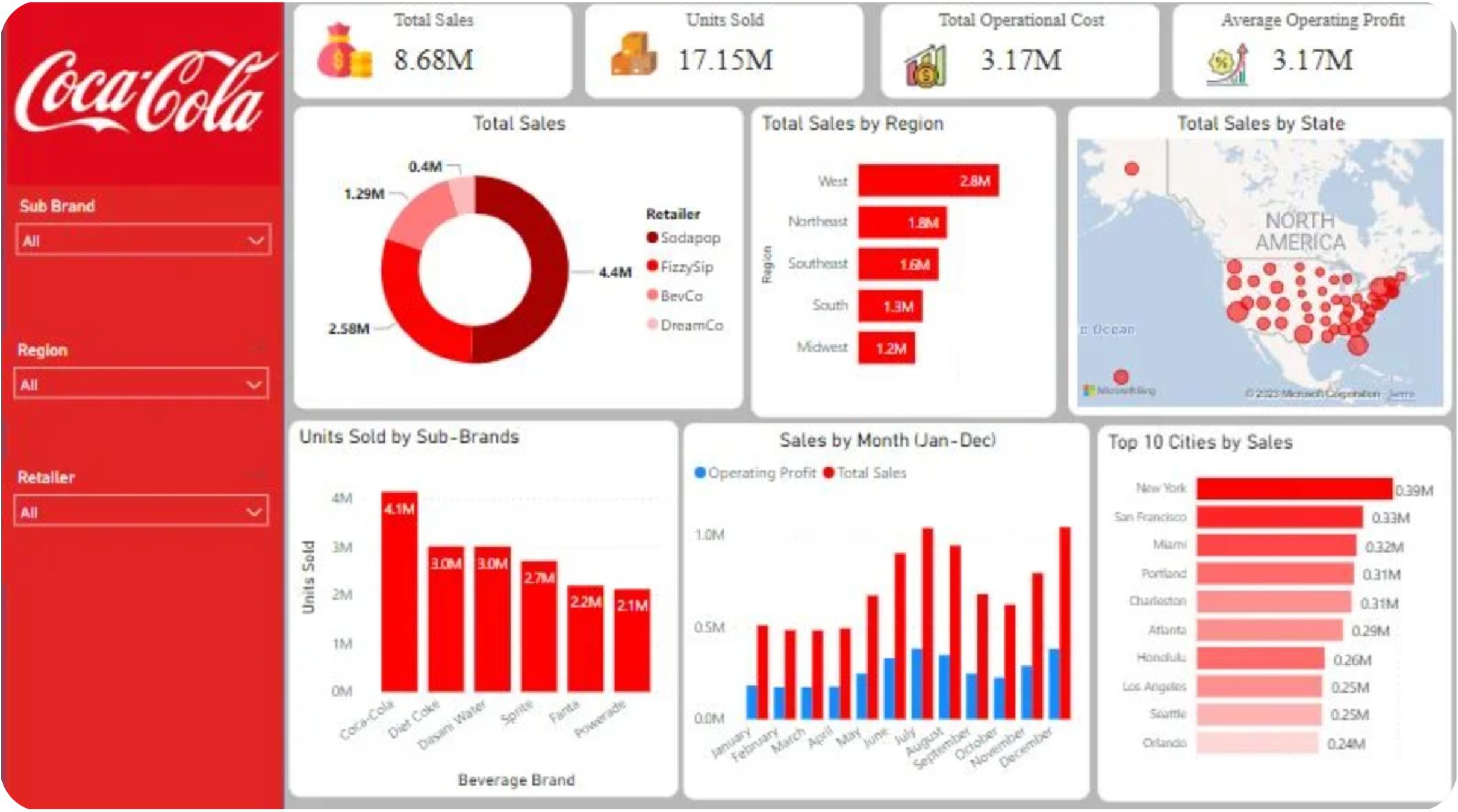
The approach is simple but powerful:
- AI handles scale: Generating multiple visual concepts, social content variations, and rapid prototypes.
- Humans protect meaning: Creative directors and brand teams guide tone, storytelling, and emotional resonance.
This workflow enables Coca-Cola to explore multiple creative directions simultaneously, iterate more quickly, and maintain consistency across markets. It’s a clear example of human-led AI workflows in action, where technology amplifies the team’s creative capacity rather than replacing it.
Here Is a Sample AI Stack for Streamlining Creative Production
This isn’t a checklist. It’s a modular system that teams can adapt based on scale and maturity.
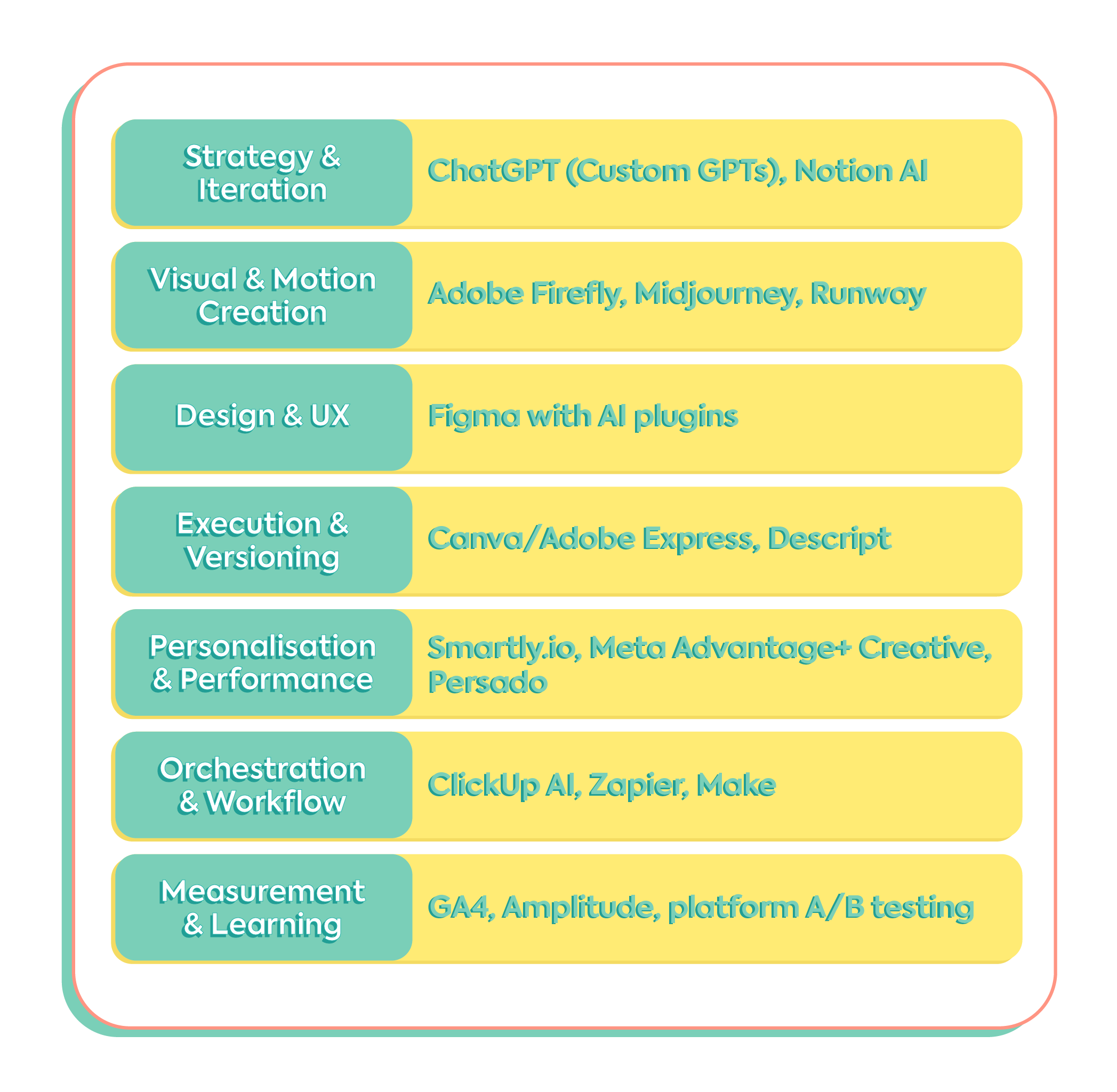
Start with strategy and iteration. Add scale once direction is clear. Orchestrate when volume grows.

Creative production is no longer linear. It’s intelligent, orchestrated, and adaptive. AI removes friction, freeing human-resources to focus on strategy, taste, originality, and impact.
At Iris Creatives, we design AI-powered creative systems that are:
- Human-led
- Brand-anchored
- Ethically grounded
- Built for scale without dilution

We don’t just produce content. We build creative intelligence systems that learn, adapt, and compound value over time. The future isn’t machines making art. It’s humans thinking bigger, moving faster, and creating meaning with intelligent systems by their side.

- Does AI reduce the need for human creativity?
No. AI reduces production friction, not creative value. It automates repetitive execution, allowing humans to focus on ideation, storytelling, taste, and strategic judgment, where real creative impact is made.
- How does AI improve creative workflows?
AI removes friction from the creative process. It speeds up production, enables faster iteration, and allows teams to test multiple ideas at once, without compromising quality or intent.
- What does “human-led AI creativity” mean?
Humans define vision, tone, and boundaries. AI supports execution and scale. Final decisions, meaning, and accountability always remain with people.
- How can brands use AI without losing authenticity?
By setting clear standards and keeping human oversight. Responsible AI use enhances creativity while protecting brand voice, cultural relevance, and trust.
- How does Iris Creatives support AI-driven creative teams?
Iris Creatives builds human-led, AI-powered creative systems that streamline workflows, protect brand identity, and scale output without dilution. Our plans help teams move faster while staying intentional, original, and in control.