
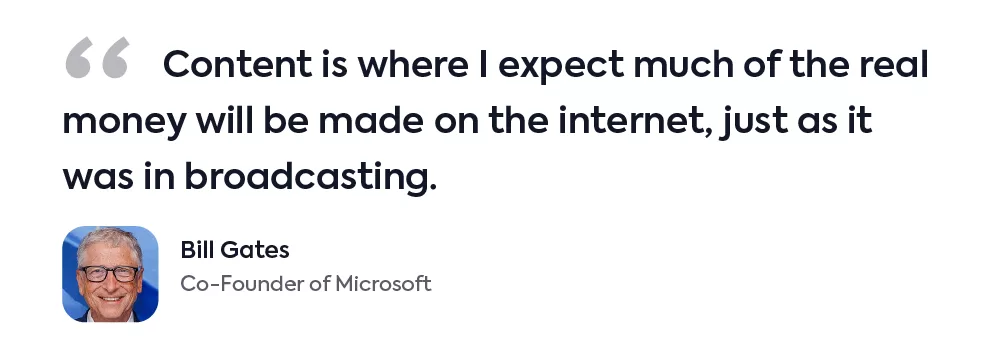
Nearly three decades on, this quote is just as relevant, if not more. Content remains the bedrock of every business. Some would even argue that sales depend less on the product or service itself, and more on how it’s presented and sold.

Apart from established corporations and businesses, individuals are becoming brands, thoughts are products, conversations have become money making tools and engagement is currency. The commonality? Content. From videos, to scripts, to background music and reviews everything falls under the term.
To sum it up:
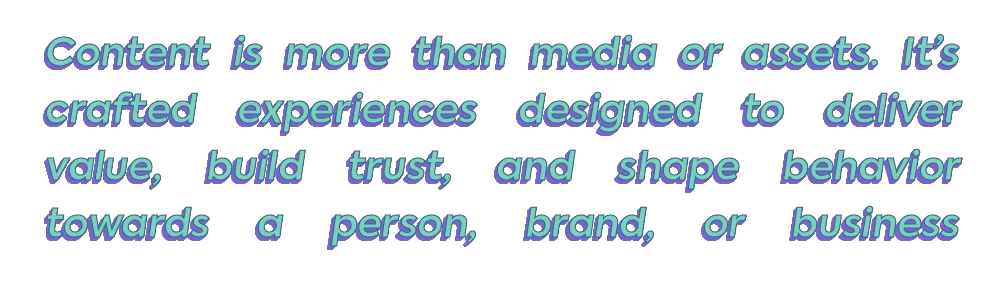
This means that it is a strategic tool that drives recognition and ROI for businesses. It gets the “right” message across and shapes perception that ultimately leads to actions that convert audiences into real money.
This is where content marketing becomes relevant. Not just as a catalyst for business transactions but as a foundation for client acquisition.

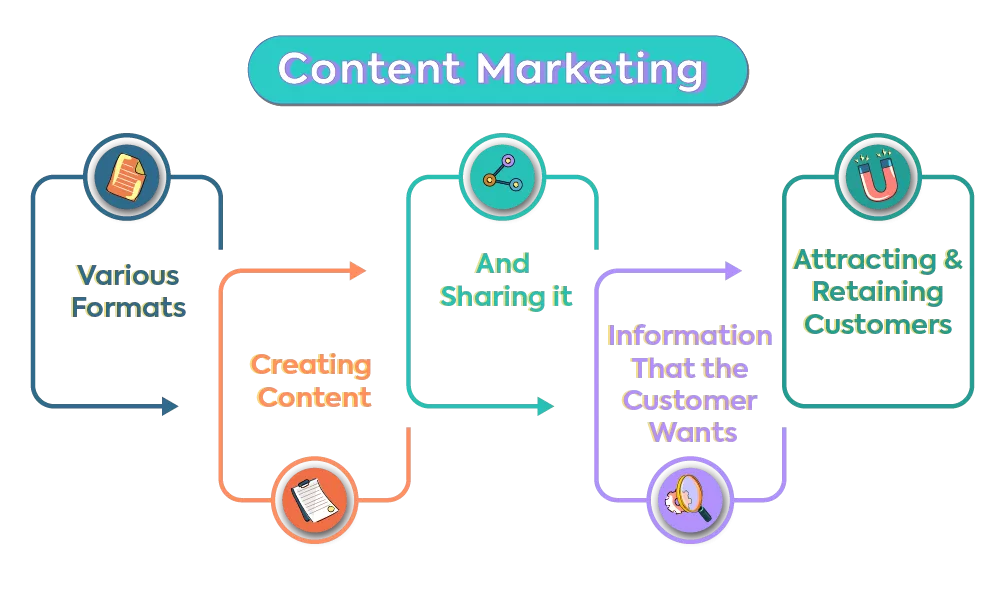
Content marketing is a strategic marketing approach that focuses on creating, distributing, and amplifying valuable, relevant, and consistent content to attract and engage a clearly defined audience.
Unlike traditional advertising, its goal is not direct selling but building trust, authority, and long-term relationships that ultimately drive profitable customer action.
At its core, content marketing aligns brand storytelling with audience needs, blending creativity, data, and strategy to influence behavior and sustain brand growth.

Before we dive into the actual strategies it is imperative for a brand to understand their playground.
Business is primarily conducted online with a few sprinkles of tangible brand appearances here and there. Therefore, a content marketing strategy needs to grow, adapt and become impactful in a digital world.
Here, viral content becomes a trend, clicks determine recognition and numbers dictate the “success” of a business. The playbook is ever changing. To create content that adapts, the trick is to create a brand identity that is designed to attract, serve and retain customers.

Content can quickly turn into noise. Everything looks, feels and offers almost the same value. For a customer to choose you, your content must stand out. The first category to eliminate is ïn-your-face marketing tactics.
If your content feels more transactional than information or “helpful”, it is more likely to drive the opposite of a sale. Become useful to your target audience and industry peers rather than pushing your products or services.
Develop user guides, how to’s, insights and applicable strategies that act as a client magnet rather than telling the customer to “buy” from you.
 Source
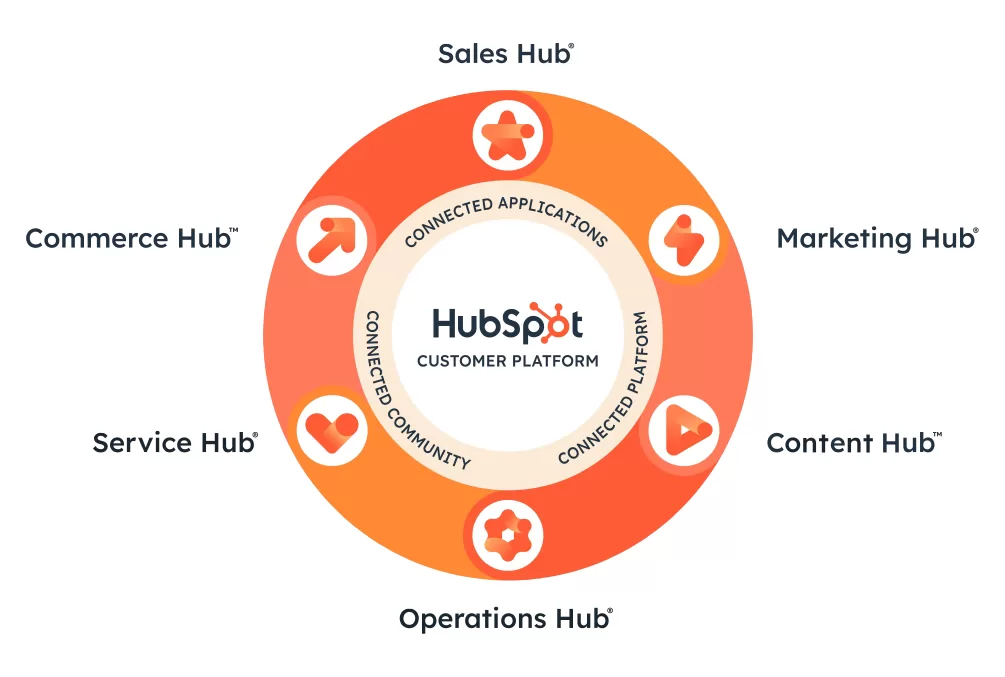
What’s striking about HubSpot’s content marketing is how little of it feels like selling. Their blogs, free tools, and courses are designed to help anyone, whether or not they’re a HubSpot customer.
By prioritizing education and usefulness, they’ve positioned themselves as a trusted resource first and a product company second, which is exactly why their audience keeps growing.

“95% of purchasing decisions are subconscious and driven by emotion” – Harvard Business School professor Gerald Zaltman, How Customers Think (2003).
Consumers are emotionally driven. But does this last or create a sense of loyalty towards a singular brand? In most cases customers buy according to what they feel at the moment. If your brand hasn’t positioned itself as “more than a product or service”, brand recall can be low.
Red Bull is one of the clearest examples of a brand that sells through emotion rather than logic.
Instead of focusing on the functional benefits of its drink (caffeine, taurine, energy boost), Red Bull built its marketing around feelings of excitement, thrill, and belonging.
Source

Here’s how they tap into emotional drivers:
- Adventure and Aspiration: Through sponsorship of extreme sports, athletes, and events like Formula 1 and Felix Baumgartner’s space jump, Red Bull inspires awe and excitement.
- Community and Identity: The brand creates a culture of daring lifestyles, making the drink feel like entry into a tribe of risk-takers and thrill seekers.
- Storytelling over Selling: With Red Bull TV, YouTube, and documentaries, the focus is on thrilling stories that spark adrenaline and ambition rather than direct promotion.
- Emotion Recall: The logo itself evokes excitement and achievement, forging a strong emotional bond that outweights rational considerations.

“66% of branded communities say that community has a positive impact on customer retention, and 53% say it increases revenue” – CMX 2022 Community Industry Report.
This applies to both B2B and B2C brands. Your customers are more likely to stay connected to your brand, receive updates, engage in promotions and even be brand ambassadors for your brand if they are part of the community that your brand has created.
Adobe demonstrates the power of community branding in B2B. Rather than focusing only on software, Adobe has created a global ecosystem where creatives connect, learn, and grow together. This transforms the brand from a tool provider into the heart of the creative industry.
Source

- Shared Creativity: Behance, with over 40 million members, positions Adobe as the hub of creative expression where professionals showcase work and exchange ideas.
- Learning and Growth: Adobe’s forums and tutorials foster peer-to-peer support and skill development, making the brand a trusted partner in professional growth.
- Connection through Events: Adobe MAX gathers tens of thousands in person and millions online, reinforcing a sense of belonging to a global creative movement.
- Identity and Loyalty: By cultivating these connections, Adobe strengthens loyalty rooted in identity and community, turning Creative Cloud into a membership in a creative culture rather than just a software subscription.

Quality, context & information – these may be the elements that drive your perspective of good content but in actuality, the visibility of your business relies heavily on the “catalysts” designed by search engines.
Keeping up with search engine optimization updates, readability metrics, contextual algorithm updates and everything that impacts where you show up on the digital map is non-negotiable.
Airbnb is a classic example of a brand that turned SEO into a growth engine. By focusing on search rather than just paid ads, it gained global recognition and trust at scale.
Source

- Targeted Visibility: Thousands of city and neighborhood specific landing pages captured long-tail searches like “apartments in Brooklyn” or “Paris vacation rentals.”
- User-Centered Content: Pages were built around traveler intent with local details, maps, and images, making them more useful than hotel sites.
- Scalable Growth: Organic search delivered millions of visits, fueling global expansion without heavy reliance on paid media.
- Recognition and Trust: Top search rankings positioned Airbnb as a credible and accessible alternative to hotels worldwide.

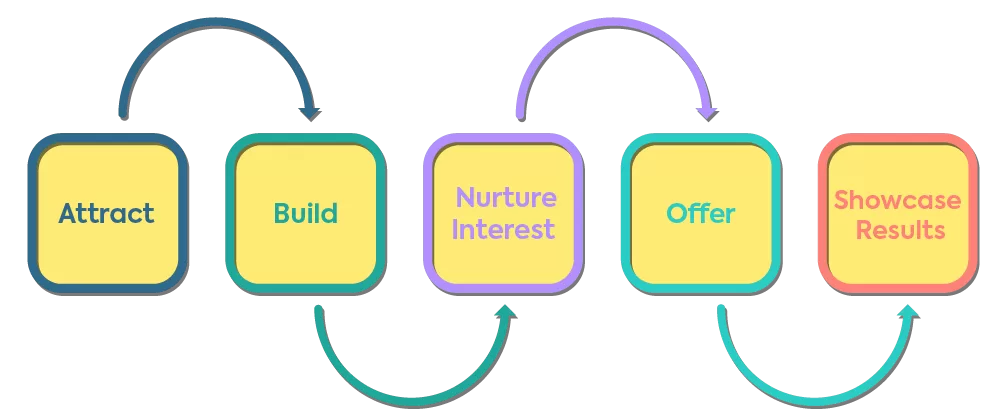
For a brand to grow through content, it is crucial to lay the groundwork. From implementing strategies to investing in the right channels, a lot goes into building a noticeable brand persona that shows up at the right time, to the right high-ticket clients.
By definition, high ticket clients are customers willing to pay more for exclusive or personalised services, or they are clients willing to buy on-going subscriptions to retain your brands services for longer.

Source
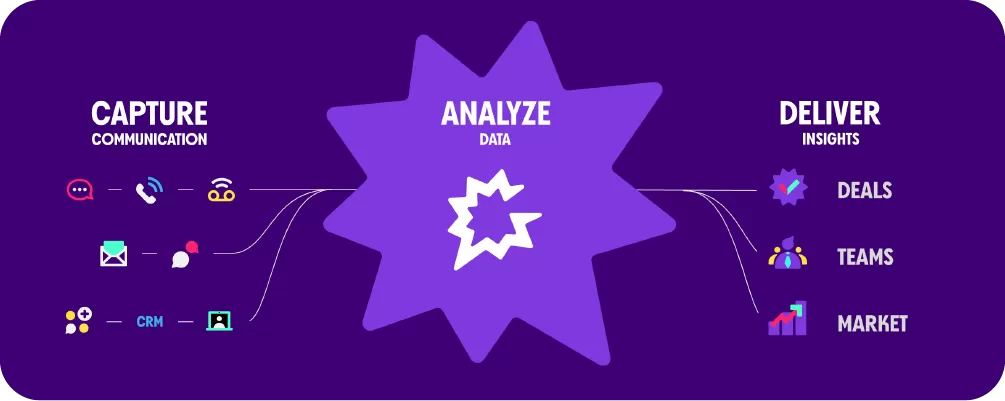
Gong is a SaaS revenue intelligence platform that captures and analyzes sales conversations across calls, emails, and CRM data. Using AI, it delivers insights to help sales professionals improve performance, managers coach more effectively, and organizations forecast with greater accuracy, turning everyday interactions into a competitive advantage.
Their high-ticket conversion framework:

Gong defined its ICP as fast-growth B2B companies with large sales teams. Instead of generic outreach, it built content assets like SEO blogs and the Gong Labs reports, analyzing millions of sales calls.
As the company notes in every report: “Every Gong Labs post is based on analyzing millions of sales conversations. It’s not our opinion; it’s what the data shows” – Gong Labs Blog.
This data-driven approach sparked organic buzz as sales leaders widely shared Gong’s insights on LinkedIn.

By consistently releasing data-backed reports and case studies, Gong positioned itself as the authority in sales intelligence.
Udi Ledergor explained this philosophy: “We never pitch our product. We teach. We give value. Only then do we earn the right to talk about Gong” – SaaStr Annual 2021.

Campaigns were segmented by ICP roles: “CROs, VPs of Sales, and RevOps leaders. Gong ran role-specific webinars, LinkedIn campaigns, and email sequences. High-value prospects were often invited into exclusive pilots, reinforcing Gong’s role as a partner, not just a vendor.”

Rather than lead with demos, Gong shared free reports, playbooks, and benchmarks that delivered immediate insights.
As Ledergor put it: “Content marketing is the fuel for our entire marketing engine. If you took the content away, Gong would not be where it is today” – MarketingProfs Podcast, 2020.

Case studies from companies like LinkedIn, Shopify, and PayPal proved the platform’s ability to improve forecasting and sales efficiency. These success stories provided tangible ROI evidence, making adoption easier for high-ticket clients.

Conversion was simplified through strategy calls and tailored demos directly tied to ICP pain points. Enterprise onboarding highlighted measurable ROI from day one, reducing friction and reinforcing value.
Great content relies on several moving parts. From a designated marketing team, to copywriters, designers and strategists, you need people who are dedicated to creating and conveying content to your target audience.

Content marketing is a continuous process. From a creative director to a project manager and a marketing director – it takes a team to write, design, market and evaluate everything you want your high-ticket clients to see.

At IRIS the process is seamless. The first discovery call gives you an insight into how our creative team partners with you to bring your vision to life through content that is meant to engage, convert and retain clients.

Why should I outsource content marketing instead of building an in-house team?
Building an in-house team is time consuming and costly, requiring specialists in strategy, design, copy, and analytics. At IRIS, you instantly get access to a full stack creative team led by a Creative Director without the overhead. This means faster execution, consistent quality, and strategies that are already optimized to attract and convert high ticket clients.
How does IRIS help my brand stand out in a crowded digital space?
Most businesses create content, but few create content that converts. IRIS combines brand storytelling, data driven insights, and strategic design to craft experiences that resonate with your audience. Whether it is a sales deck, a campaign launch, or ongoing content marketing, we ensure your brand shows up with authority, trust, and impact.
Which IRIS plan is best if I want to attract high ticket clients?
If you are looking for one off deliverables like a powerful pitch deck or a polished brand identity, Pulse is your go to. If you need ongoing creative support to scale your brand presence consistently, Core keeps your pipeline full. And if you are aiming for a comprehensive strategy and execution engine, from SEO blogs to social media and campaign design, Edge is built to help you attract, nurture, and convert high value clients at scale.