“Of all the things that your company owns, brands are far and away the most important and the toughest. Founders die. Factories burn down. Machinery wears out. Inventories get depleted. Technology becomes obsolete. Brand loyalty is the only sound foundation on which business leaders can build enduring, profitable growth.” – Jim Mullen, Reach CEO
Jim Mullen accurately captures the enduring value of a brand. However, the strategic purpose of branding extends beyond mere ownership; it is fundamentally embedded in a promise that a company makes to its customer. This promise is the core expectation that customers buy into, and its fulfillment translates directly into intangible value on the balance sheet, ultimately driving tangible growth and market share.
This focus on the brand as a promise has been amplified by the transition from traditional to digital media. What was once confined to billboard permissions, costly newspaper ad spaces, and expensive prime-time television spots has been fundamentally democratised. This new era of digital marketing presents a dual reality for digital brand architects and business owners alike. It is both a new, unchartered territory and a profoundly empowering landscape for brands.
Digital platforms provide brands with unprecedented leverage, transparency, and insight. The struggle for physical advertising space is replaced by the dynamic world of algorithms and data, allowing brands to reach their “actual” audience with precision. The traditional concept of “word-of-mouth” has evolved into online reviews and social proof that can build or break a brand’s reputation instantly.
As writer and activist Naomi Klein pointed out in No Logo, branding has shifted from being about the physical product to selling an idea or an experience. Today, every aspect of digital brand management from its logo and messaging to its social media presence and online reviews, shapes this perception and builds the foundation of its promise. This cohesive digital brand experience is what ultimately dictates the loyalty, market share, and long-term return on investment (ROI) that a brand generates.

While traditional branding relied on a one-way communication model i.e. brands shouting their message to consumers through static mediums like billboards and TV ads, digital branding is fundamentally a dialogue. It’s a dynamic, two-way relationship where brands and consumers engage in real-time. This shift has transitioned branding from a passive, broadcast activity to an active, participatory one.
 Source
The “playground” for digital brand development evolved significantly. For companies established in the digital era, branding is inherently native to online platforms. For older, traditional brands, the challenge is not simply to add digital channels but to fundamentally rethink their entire strategy to embrace this new, interactive paradigm. This is a transition from a brand being an external message to a brand being a continuous, evolving experience.

Digital branding is the sum of a brand’s presence and perception across all digital platforms. It leverages the unique capabilities of the digital world to build trust, recognition, and loyalty.
This entails:
- Interactivity & Engagement: Unlike static print ads, digital branding allows for real-time conversation and community building on platforms like social media. Brands can respond to feedback, run polls, and create interactive content, making the consumer a participant rather than a passive observer.
- Measurability & Insight: Digital tools provide powerful analytics. You can track every click, share, and conversion, allowing for a data-driven understanding of what works and what doesn’t. This eliminates the guesswork of traditional marketing and enables continuous optimization.
- Target Reach: Instead of mass advertising, digital branding uses sophisticated algorithms and data to target specific audiences with highly relevant content. This ensures marketing efforts are more efficient and effective, reaching the “actual” audience.
- Authenticity & Transarency: The digital world fosters transparency. Reviews and user-generated content are powerful forms of “word-of-mouth” that can be instantly shared and consumed. This means a brand’s promise must be backed by genuine actions, as any inconsistency will be quickly exposed.
In essence, the core of branding; identity, recognition, and trust remains the same. However, the mechanism for building that core has transitioned from a one-sided monologue to a dynamic, multi-platform conversation.

Branding is a process. From setting the foundation of your business to adapting as you grow there are a few components of digital branding that must dictate how brands approach the subject.

A strong brand begins with a clear and consistent identity. This includes your logo, colour scheme, typography, tone of voice, and overall visual style. Together, these elements should reflect your mission and values, making your brand instantly recognisable across all platforms.
Source
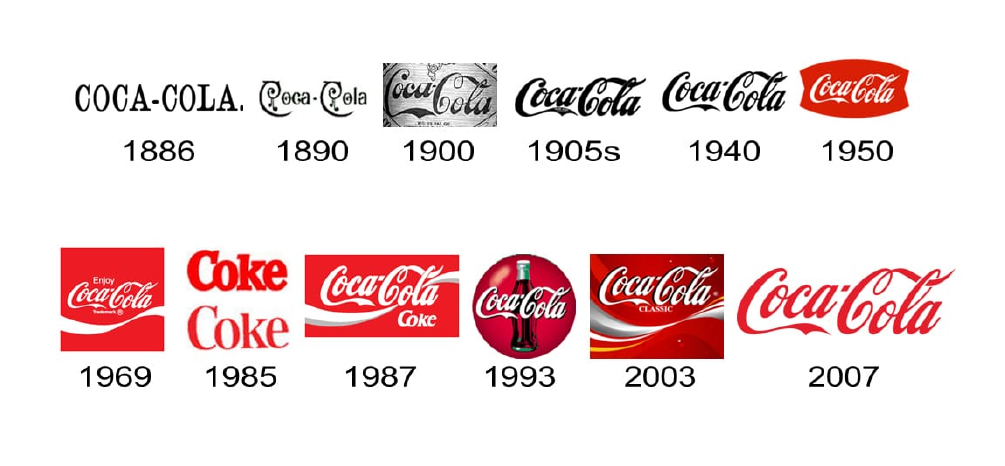
For instance Coca cola’s red-and-white visuals, script logo, and positive messaging carry seamlessly from TV to Instagram to TikTok, showing how timeless identity adapts to digital-first spaces.

Effective digital brand management relies on understanding your audience online what they value, how they behave, and where they spend time digitally. Buyer personas help shape campaigns that resonate.
Source
For instance, Nike uses digital storytelling to connect with its community. Its campaigns reflect audience values of diversity, resilience, and empowerment, resonating across YouTube, Instagram, and fitness apps.

Content is the engine of digital branding. Blogs, videos, infographics, podcasts, and posts should inform, entertain, and inspire, while being SEO-optimised for visibility.
Source

Netflix combines personalised recommendations with witty social posts and original content teasers, keeping audiences engaged while reinforcing its identity as the go-to streaming platform.

Social media is where brand personality comes alive. A consistent, platform-specific approach creates a cohesive digital brand experience and builds communities.
Source
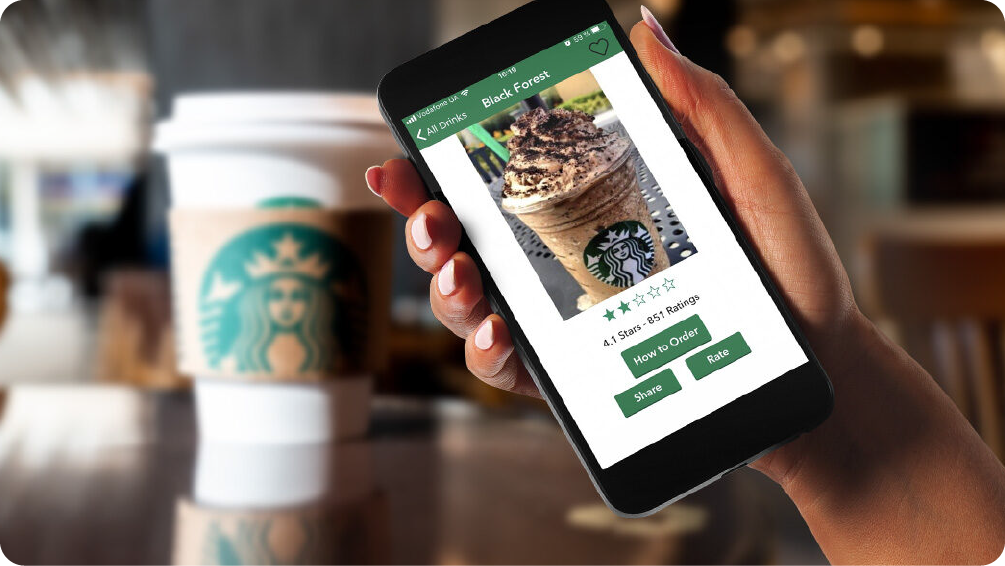
Starbucks aligns its brand voice across platforms – Instagram for aesthetics, TikTok for playful trends, and Twitter for direct conversations – creating a sense of connection and belonging.

A brand’s website is its digital storefront. Seamless UX design, fast load times, clear navigation, mobile optimisation and so on, ensure credibility and conversions, reinforcing brand values through the digital brand experience.
Source
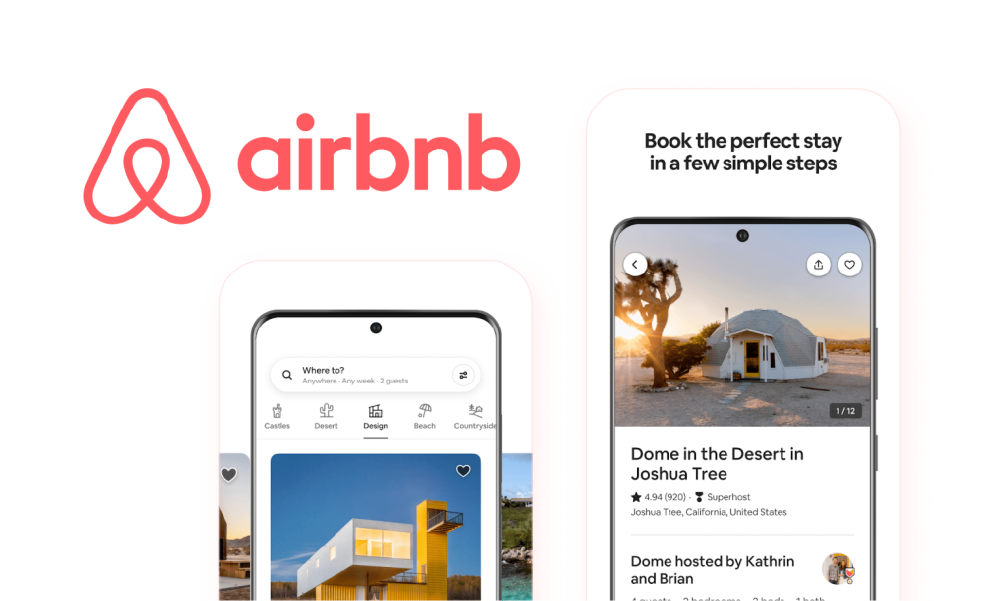
Airbnb’s clean design and personalized interface embody its brand promise of “belonging anywhere,” showing how UX strengthens digital branding.

Search is central to digital branding solutions. SEO builds long-term organic reach, while SEM delivers immediate visibility with targeted ads. Together, they ensure brands appear where consumers are looking.
Source
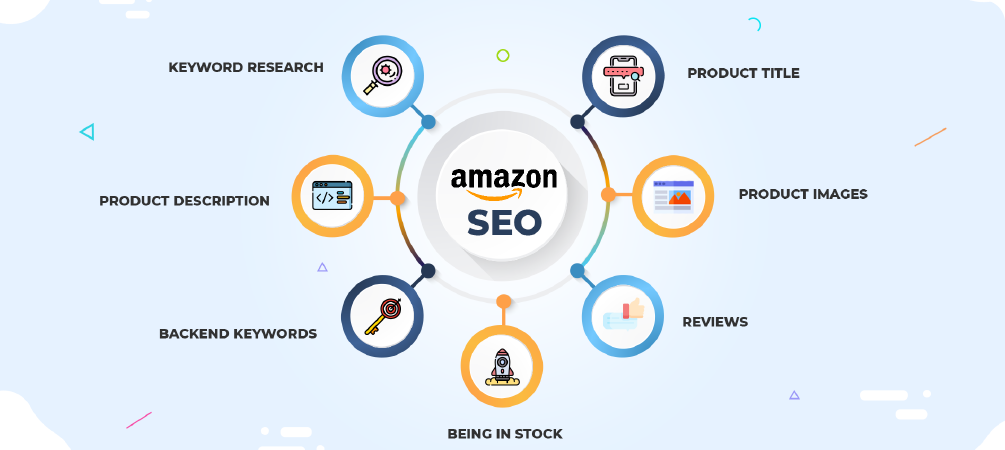
Amazon dominates both SEO and SEM, with optimised product listings and paid ads making it one of the most discoverable brands online.

Data transforms branding from guesswork to precision. Analytics tools track engagement, conversions, and behaviour, helping digital brand managers optimise strategies in real time.
Source
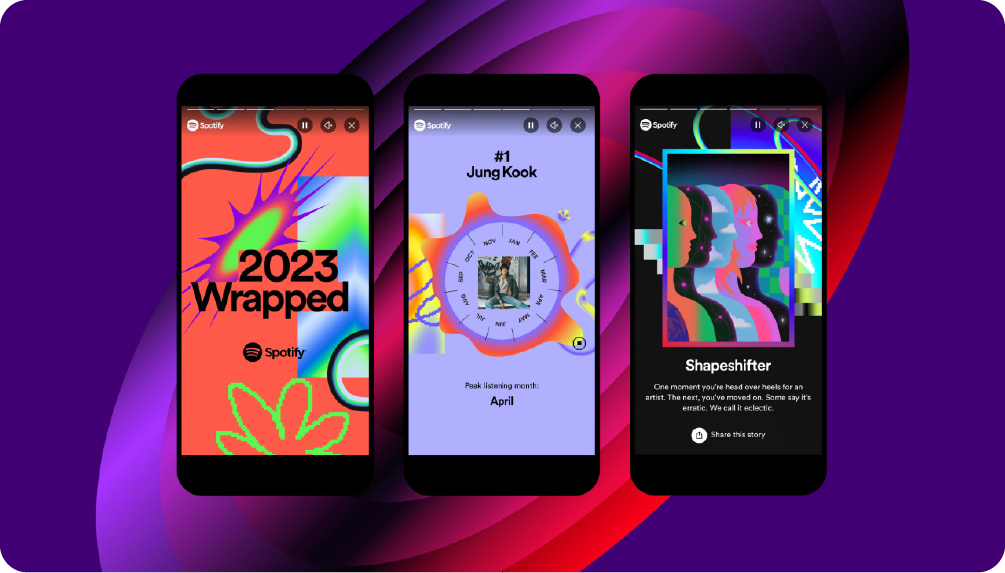
Spotify’s Wrapped campaign uses listening data to create shareable, personalised stories – turning analytics into one of the most powerful digital branding campaigns worldwide.

Digital branding thrives on trust. Transparency, reliability, and social proof, like reviews, case studies, and testimonials to strengthen credibility.
Source
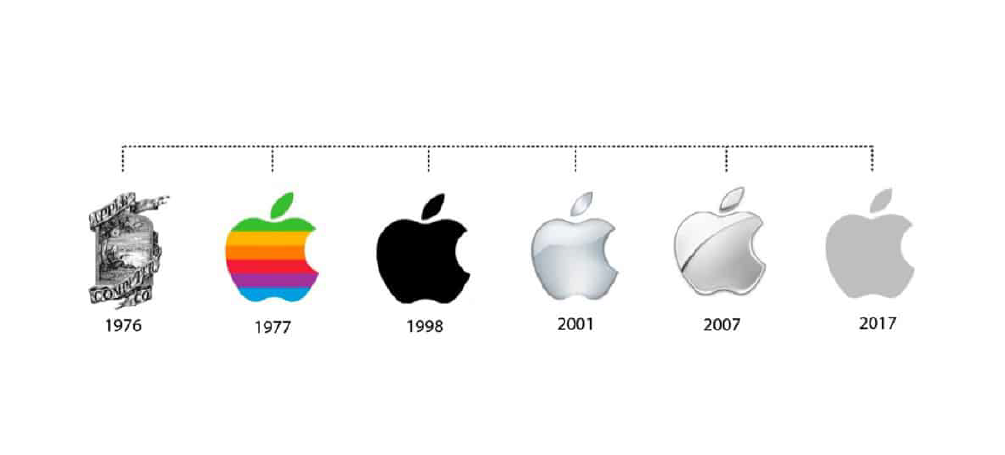
Apple consistently delivers on its brand promise of innovation and quality. Its loyal customers serve as digital advocates, reinforcing trust at every launch.

You’ve probably asked yourself this many times. How does it work? How do you get the recognition your brand needs, how do you go about integrating sustainable practices and creating a business that “sells for itself”.
The answer may not be as simple as reading a guide. But this is the right place to begin. Creating a digital branding identity takes more than just visuals.

You’ve decided what your product/service is – now it’s time to design a strategy. When building a strategy any brand must consider their core brand promise as a foundation for:
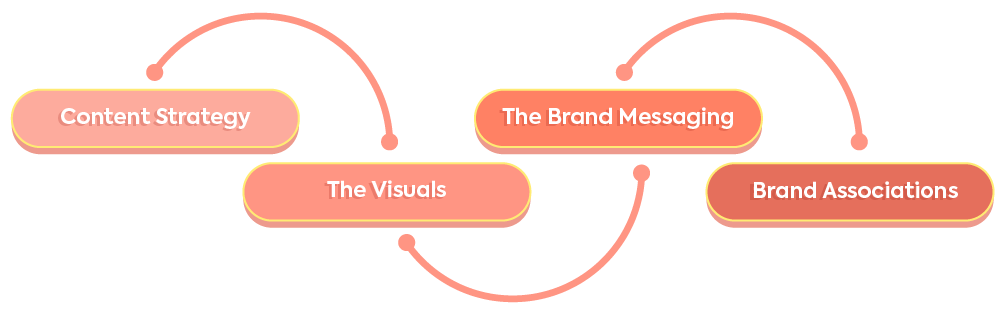

The content strategy for your brand includes both visual and written content – how the brand message is conveyed, what speaks to your target audience’s experiences and which platforms best accommodate your target market. This also includes posting schedules, made for medium content experiences and customer feedback channels.
The focus is to deliver a cohesive brand message that emphasizes your brand identity, highlights the brand promise and conveys a cohesive outlook for the entire operation.

When it comes to visuals, cohesiveness is the star of the show.
Ensure that your brand assets and visuals are consistent with your brand identity and promise. Brainstorm digital marketing branding ideas, such as which colors, designs and mascots best describe your brand. This can be decided through color psychology, the industry your brand is targeting, your personal experiences or even through storytelling.

The most efficient way to relay your brand message is to connect with your target audiences.
A digital brand manager uses social platforms to tell the story of your brand, share behind the scenes and ultimately take them to the benefits of using your products/services. Show value through real-time examples and social proof.

While this is something that your brand can introduce further along your digital branding journey – deciding who the face of the brand will be makes a huge difference to how the audience connects with it.
From showing the founder, to focusing on women or minority owned aspects to choosing a famous personality to talk about your product/service – everything ties into your branding strategy.

UGC or user generated content is the winning move for brands in 2025. Featuring content generated by your target audience, real-time case studies or using story telling to make your brand voice more relatable is the way to go.
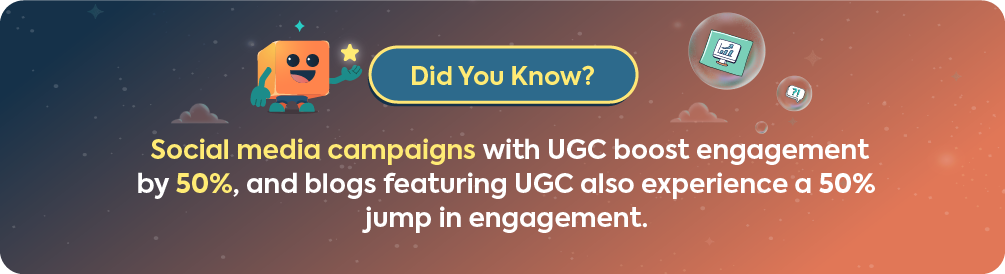
For instance, Apple’s #The shotoniPhone campaign made waves when it was first launched. The relatability, the raw user-experience and the showcase of quality created a series of engaging campaigns that “spoke directly”to its primary user.
This also created an eco-system of co-creation that drove the campaign to unparalleled success, leading to its relevance through the years.

Now to the community building. “Foster a sense of belonging”. Digital Branding is as simple as that – except it’s not. Community building heavily relies on “listening”. Each time your target user engages with your brand – your job is to listen. Especially if you are in the process of building a brand.
This feedback decides how much your customers belong to your brand. Whether they are emotionally invested – whether your content generates discussions amongst them – whether they enjoy the BTS you put out and more.
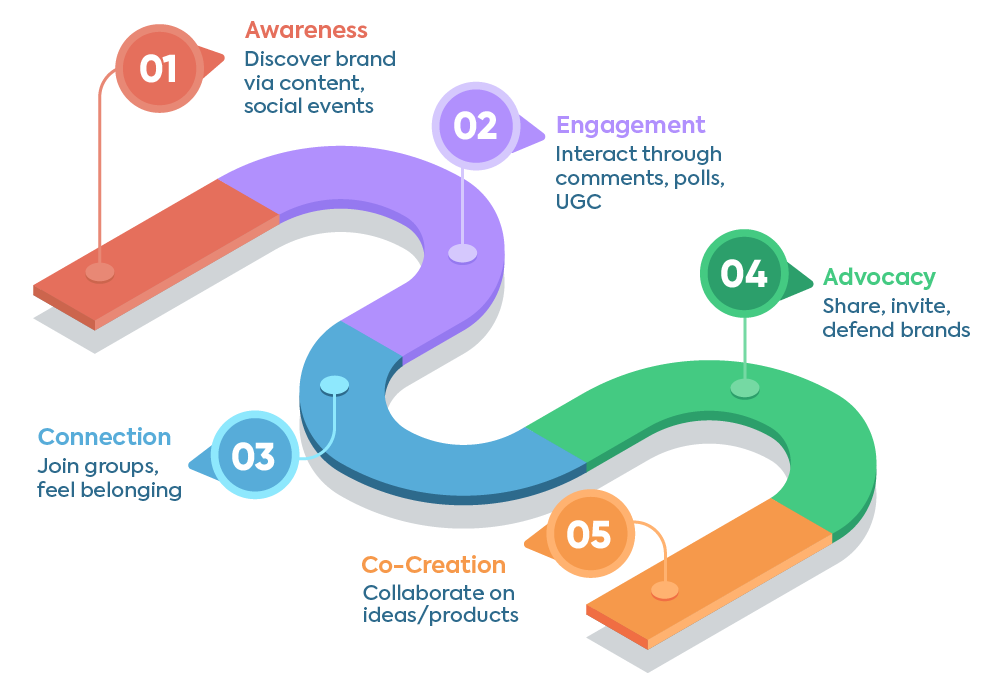
Source: Adapted from Harvard Business Review – The Community-Driven Brand (HBR, 2021)
One successful example of community focused branding is the Harley Owners Group (HOG).
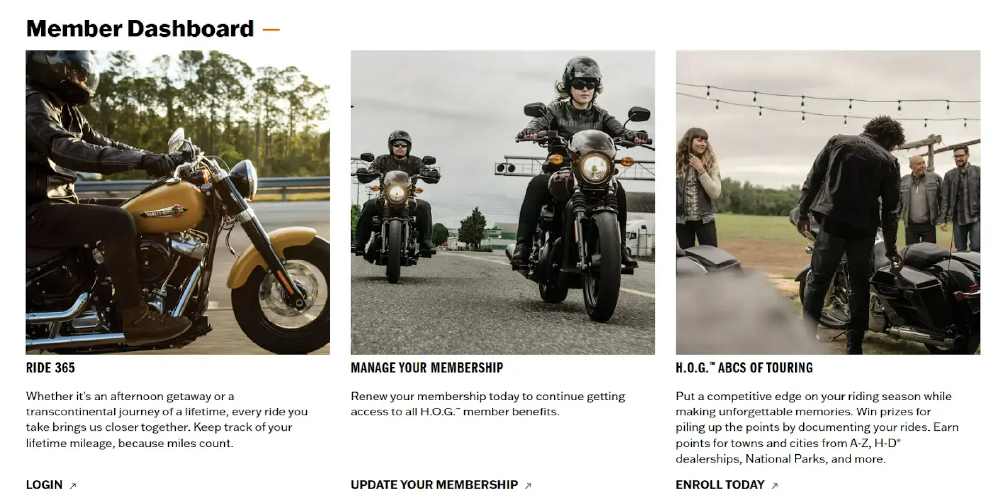
Harley Owners Group (HOG) shows how community branding builds unmatched loyalty. By offering rides, events, and exclusive perks, HOG transforms customers into lifelong ambassadors. The emotional bonds formed within this community strengthen Harley-Davidson’s iconic status and prove that a strong brand community is the most powerful driver of lasting success.

If you have the budget and the brand architects to build and execute a branding strategy in-house then you need to hire, pay and retain the right resources. From onboarding a design team, to hiring a project manager, a content strategist, writers, marketers, seo experts, creative heads and social media managers – an in-house team can bring your branding vision to life.
What’s more cost-effective and efficient? Outsourcing to digital marketing and branding service providers. Creative as a service is a simpler solution to all your branding, marketing & advertisement work especially in the digital age.

Ready to build an unforgettable brand? Speak to your creative lead at IRIS! We are a creative team that works for you!