
Artificial intelligence is all the rage. Skeptics question its authenticity, criticise its role in limiting human potential, and still “must” keep up with the latest tech and tools, in this particular branch of technology.
This entire conundrum can pretty much be attributed to FOMO (fear of missing out). Yes, you read that right. Missing out is probably one of the worst mortal sins a brand can commit. There have been case after case that suggest not keeping up with the latest technology has resulted in a downward trajectory for such brands.

This means almost all industries are bound to adopt artificial intelligence services in some form.
“Like electricity, AI powers every industry differently.”
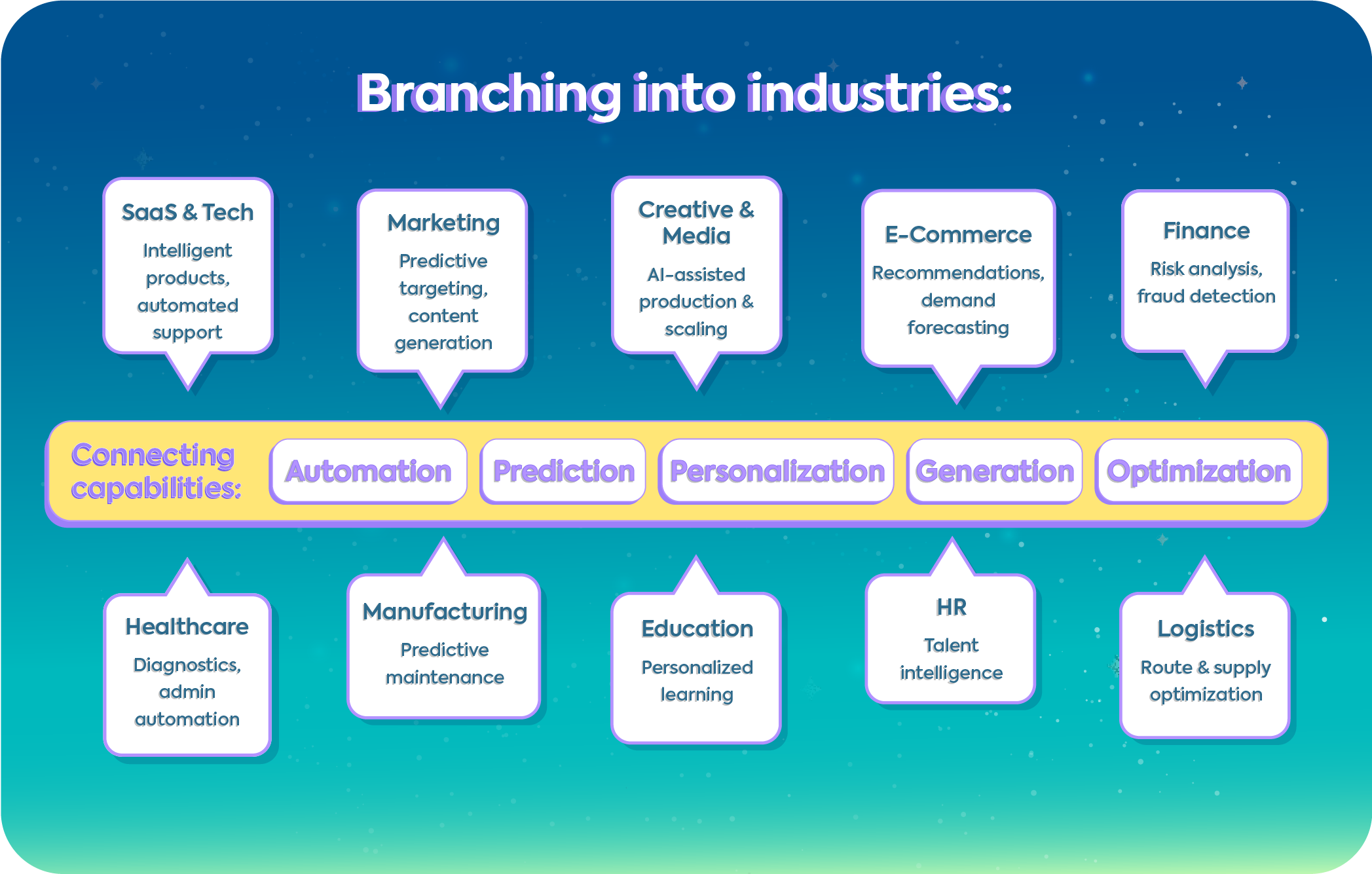
This certainly makes a strong case on behalf of AI. It’s here, and it’s necessary. BUT, is it the entire solution?
“Artificial intelligence without human intelligence isn’t reliable; it’s a powerful tool that still requires human oversight, interpretation, and ethical guidance to ensure its outputs are trustworthy and meaningful” is a synthesis of common perspectives on the need for human input in AI systems, suggests (aibusiness.com).
Yes, artificial intelligence is rapidly improving, yet with every advancement, the understanding that human inclusion is essential remains intact. No matter which industry adopts agentic workflows, builds design with powerful tools like Gemini or Nano Banana, or uses OpenAI for research, human oversight, intelligence, and input is almost always a part of the process.

Until just a few years ago, content creation was a labour of time, patience, and research that took days if not hours to compile. Most ideas were labeled original, and ad campaigns went down in history.
Take a look at this Volkswagen ad. Bill Bernbach’s ad agency had to sell a small, ugly-looking car to post-war America, where flashy, large, and loud were the norm.
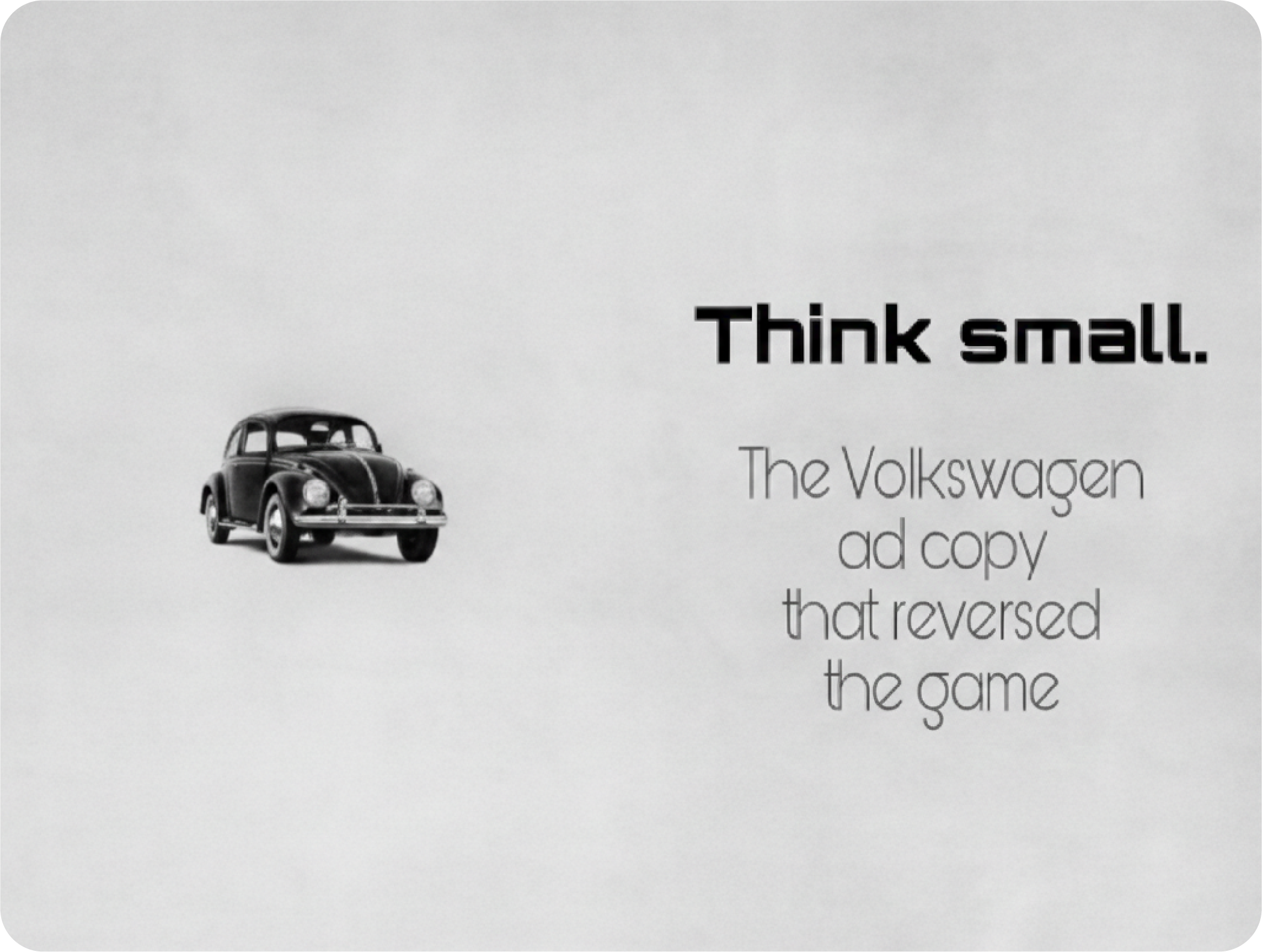
This was a challenge met with a creative prowess that created a new genre of ad copy. The writing “Think Small” played with curiosity, attention, and impression. The design was simple, and the poster was clean and minimal. This is what made it stand out and eventually became the blueprint for attention-grabbing copies that caused action (buying) in the target audience.
This begs the question: what does AI bring to the table? In simple terms: everything. BUT once again, it isn’t what businesses need. The ideas still lie within human intelligence, the visuals are often shaped within the human mind, and the connection with the desires and wants of the buyer is only possible in the human mind.
What AI does is bring this string of thought to life, enhancing it even in almost half the time it would take human creatives to achieve the same.
“In the content generation industry, AI is a tool that, when used correctly and by the right creatives, can create unmatched genius like never before.”
This means human-led AI content is the key to content that scales. Human expertise, coupled with the proper use of AI advancements, is crucial to creating content that speaks to the audience and performs well on AI-driven search engines and algorithms.
“Human-AI collaboration can lead to better performance than either humans or AI alone.”
– Chi, P., Reddy, S., et al., Proceedings of the ACM on Human-Computer Interaction (PACM HCI), 2022

Human-led AI content refers to workflows where AI assists with drafting, ideation, research, and speed, while human experts provide strategic direction, quality control, context, voice, and ethical judgment. Rather than treating AI as a replacement for humans, this approach sees AI as an amplifier of human talent.
AI tools alone often produce plausible text that sounds good but may lack factual accuracy, nuanced understanding, contextual relevance, or brand alignment. Humans ensure that outputs are meaningful, reliable, ethical, and aligned with real objectives.

Completeness vs. Accuracy
AI language models are powerful pattern matchers. They can assemble coherent content from patterns in their training data, but:
- They don’t truly understand context or intention
- They may confidently output information that is plausible but incorrect
- They can inadvertently perpetuate bias or stereotypes found in training data Openxcell
This gap between fluency and validity is known as the AI trust paradox, as AI outputs become more natural, readers and creators find it harder to distinguish between correctness and mere plausibility.
Brand Voice & Audience Nuance
AI can imitate tone, but it cannot inherently understand a brand’s unique voice, culture, audience intent, or emotional resonance in the way a human can. This is why technically correct content can still feel generic or fail to engage the right audience.
Ethical, Legal & Regulatory Risks
AI systems reflect the biases of their training data. Left unchecked, they can produce content that:
- Misrepresents facts
- Reinforces discriminatory narratives
- Fails to comply with industry regulations
Human review mitigates these risks, adding ethical oversight, legal awareness, and accountability. Openxcell

The concept of Human-in-the-Loop (HITL) is foundational to human-led AI. HITL embeds human experts into critical stages of AI workflows to manage quality, reliability, and ethical alignment.

1. Enhanced Accuracy & Contextual Understanding
AI may struggle with nuanced, ambiguous, or context-dependent content. Human reviewers ensure that the output:
- Captures the right meaning
- Reflects up-to-date or domain-specific knowledge
- Aligns with audience expectations
This oversight reduces error rates and improves real-world relevance. (Technology)
2. Bias Detection and Ethical Alignment
Humans identify and correct biased or unethical phrasing that AI might generate, ensuring content aligns with rights-aware and socially responsible standards. (Conductor)
3. Compliance and Legal Safety
In regulated industries (e.g., healthcare, finance), human oversight guards against misinformation and regulatory violations, which AI alone may not reliably avoid. (Rezolve)
4. Brand Voice & Emotional Resonance
Human content strategists and editors ensure that AI-generated pieces consistently reflect brand identity, emotional tone, and strategic messaging that resonates with audiences. (Medium)
5. Iterative Improvement & Learning Feedback
When humans review AI outputs and feed corrections back into the system, models improve over time. This feedback loop helps AI adapt to changing contexts and higher standards of quality and relevance. (Tredence)
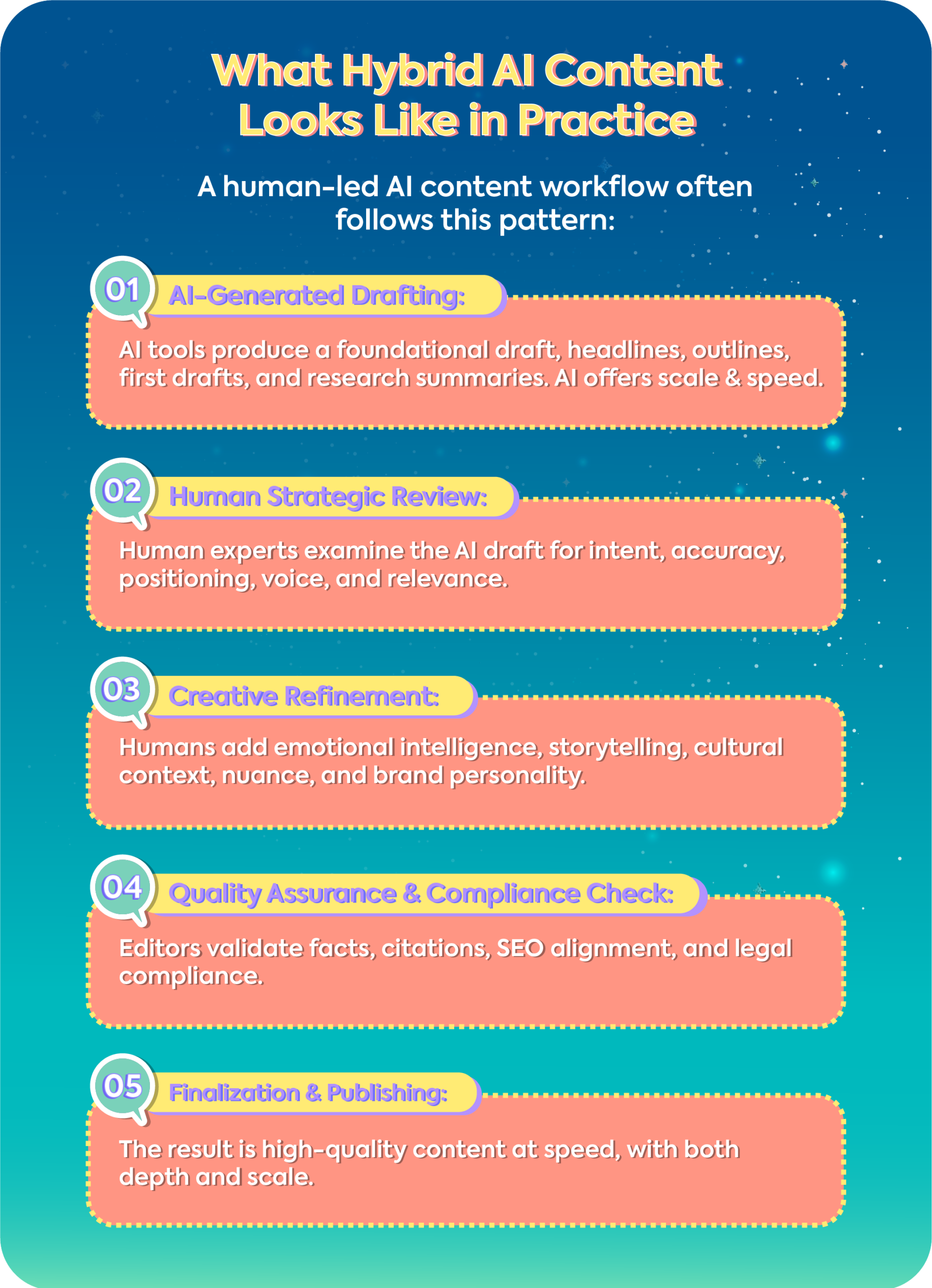
This collaborative process is far more effective than either purely AI-generated content or purely manual content at a large scale.

Technology advances will continue to improve AI’s fluency and autonomy. Even so, leading industry figures emphasize that humans will remain essential in the AI content ecosystem for decades, especially in areas requiring cultural understanding and contextual nuance.(Business Insider)
Far from being a phase to outgrow, human involvement is evolving. As AI systems become more capable, the value of human oversight increases, particularly for strategic, ethical, and high-stakes content.

At IRIS, we understand that AI tools have radically expanded the speed and reach of content creation. But without human intelligence guiding them, they risk producing content that is:
- Inaccurate
- Brand-irrelevant
- Misleading or biased
- Out of context
The hybrid model of human-led AI content uniquely delivers both scale and substance. It marries the efficiency of AI with the judgment, creativity, and ethical grounding that only humans provide.

This model is a benchmark practice that separates content that merely exists from content that actually performs. At IRIS, human-led and AI-driven expertise generates content built to scale, adapt, grow, and perform with the ever-changing dynamics of any industry.

What is human-led AI content?
It’s a collaborative approach where AI handles drafting, research, and scaling, while humans guide strategy, refine creativity, ensure accuracy, and maintain ethical standards.
Why not rely on AI alone?
AI generates fluent content but lacks a true understanding of context, brand voice, and audience intent. Without humans, outputs can be generic, misleading, or biased.
What are the key benefits?
Human-led AI delivers:
- Accurate, context-aware content
- Ethical, bias-free outputs
- Consistent brand voice
- Regulatory and legal compliance
- Faster iterative improvements
How does the workflow work?
- AI drafts ideas or research summaries
- Humans review for strategy, accuracy, and relevance
- Creative refinement adds emotion, storytelling, and nuance
- QA ensures compliance and alignment
- Final content is published, high-quality, and scalable
Why IRIS Creatives?
IRIS combines AI speed with human insight across industries: SaaS, marketing, e-commerce, finance, and healthcare, delivering content that’s accurate, brand-aligned, audience-focused, and scalable for the long term. To get started, read our insights on Why Your Brand Needs to be Ready for AI Browsing, or browse a flexible content plan here.