

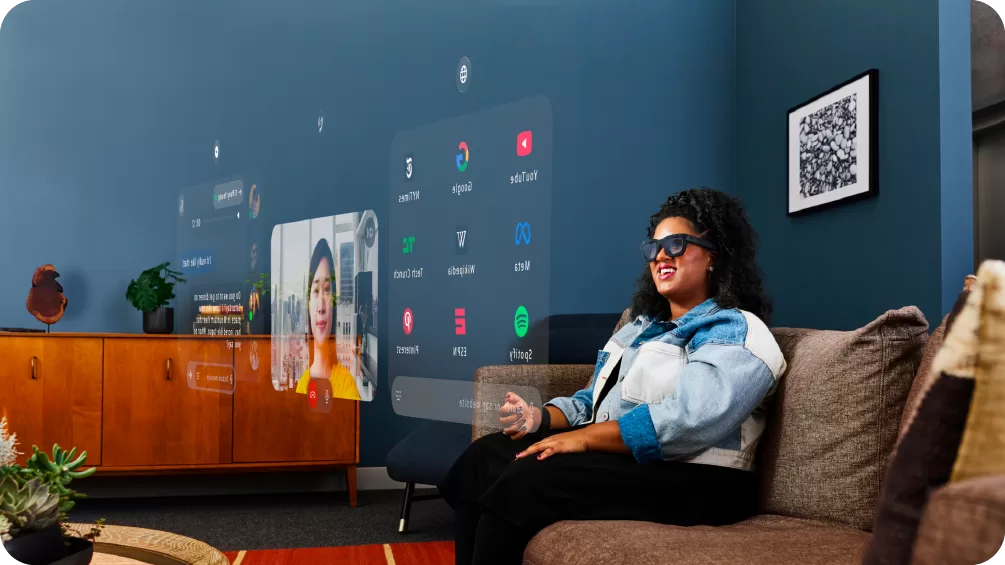
Meta has just redefined smart eyewear with the launch of its Ray-Ban Display glasses, priced at $799. At first glance, they look like a classic pair of Ray-Ban Wayfarers, but behind the iconic frame lies a world of augmented possibilities.
Source
The star feature is a discreet micro-display built into the right lens, giving you instant access to maps, messages, translations, your camera feed, Meta AI, and more, without ever reaching for your phone. At just 69 grams, they pack powerful tech into a surprisingly lightweight build.
Control is handled through the futuristic Meta Neural Band, a wrist-worn accessory that picks up tiny electrical signals from your hand and fingers. You can scroll, tap, and select with nothing more than subtle gestures.
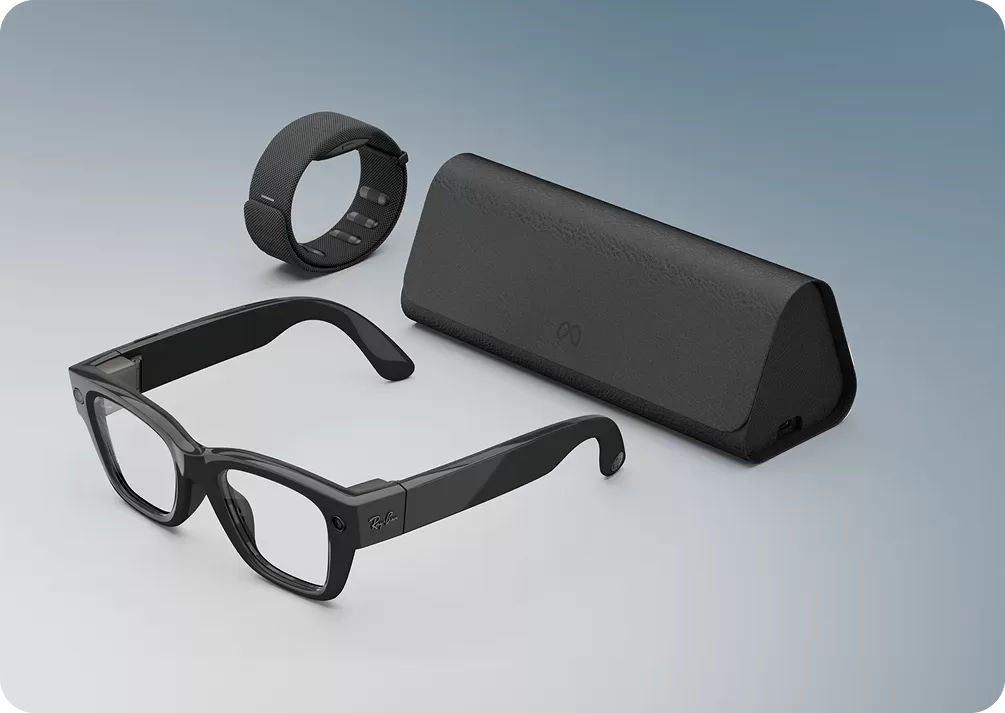
The glasses also come equipped with cameras, speakers, and microphones, so you can snap photos, shoot videos, preview content directly in your lens, and even share it instantly. Ask Meta AI what is in front of you, like whether tomatoes are ripe, or get recipe ideas and live translations.
One of the biggest highlights is seamless communication. The glasses let you answer video calls on WhatsApp or Messenger, giving the caller a direct view from your perspective. You can also receive text and multimedia messages from WhatsApp, Messenger, Instagram, and your smartphone, all projected onto your lens.
Meta’s new wearable is not just another gadget. It is a bold step toward blending everyday style with immersive AR experiences, all without the bulk of a headset.

Meta’s smart glasses represent more than just a hardware launch. They signal a shift in how brands can connect with consumers.
With built-in AI and immersive display features, these glasses have the potential to transform advertising, shopping, events, and brand storytelling into something far more interactive and personal.
Here is a look at how companies could realistically apply this technology to marketing today.

The biggest opportunity lies in turning static ads into adaptive experiences.
Imagine walking through Times Square and seeing billboards that respond to your own preferences or past shopping history.
Nike, for instance, could use Meta smart glasses to display exclusive sneaker drops to loyal customers in real time, complete with a tap to purchase option inside the lens.
Instead of being interrupted by ads, consumers would see offers that feel timely and relevant, making the interaction both useful and persuasive.


Meta smart glasses could make the try before you buy the concept mainstream.
IKEA has already pioneered this with its AR app, which lets customers visualize furniture in their homes. With Meta’s glasses, the same experience becomes hands free and immersive.
Fashion brands like Gucci or Zara could let shoppers stand in front of a mirror and instantly see how a jacket or pair of shoes looks on them without ever trying it on. This reduces uncertainty, builds trust, and makes shopping decisions faster and more confident.

For brick and mortar stores, Meta smart glasses open the door to smarter retail.
A shopper could walk into Target and see product reviews, price comparisons, or loyalty offers appear as they glance at an item.
Retailers like Walmart could overlay step by step navigation to guide customers directly to the products on their shopping list.
On the e-commerce side, companies could build full AR powered stores, where browsing feels as natural as walking through a physical aisle, giving digital shopping the same sense of presence as in person visits.

Events and experiential marketing are where Meta smart glasses show the most potential.
Think of a music festival sponsored by Red Bull where wearers see exclusive backstage content, live stats on performers, or interactive AR games tied to the event.
At trade shows, brands like Tesla could create AR showcases where visitors explore car features without crowding around a physical vehicle. These experiences not only engage attendees but also extend the event’s impact long after it ends.

Adopting augmented reality into marketing however, does comes with its challenges.
Content Innovation
Traditional banners and flat videos do not translate well in AR. Therefore, brands must invest in 3D models, spatial storytelling, and immersive experiences that feel natural inside Meta smart glasses. This demands new creative talent, resources, and budgets.Privacy and Ethical Data Use
AR depends on constant streams of real-world data. To gain consumer trust, companies must be transparent about how information is collected and applied. Clear consent, ethical practices, and compliance with emerging regulations will be non-negotiable.User Experience and Ad Fatigue
The technology will only succeed if experiences add genuine value. Overly intrusive overlays or excessive advertising could overwhelm users and drive disengagement. The challenge is balancing commercial goals with subtle, contextually relevant interactions.Accessibility and Technical Barriers
High costs, limited adoption, and technical constraints like battery life, resolution, or connectivity may restrict reach in the early years. Brands risk investing heavily in campaigns that only touch a small segment of tech-savvy consumers.Measurement and Impact
Unlike web or social campaigns, AR lacks clear metrics. Defining how to measure engagement, emotional impact, and conversions in immersive environments will be crucial for proving ROI and refining strategies.

The Challenge
Ray-Ban, known for its timeless eyewear, needed to stay relevant with younger, tech-savvy consumers while positioning itself beyond just fashion and into the future of wearable tech.
The Strategy
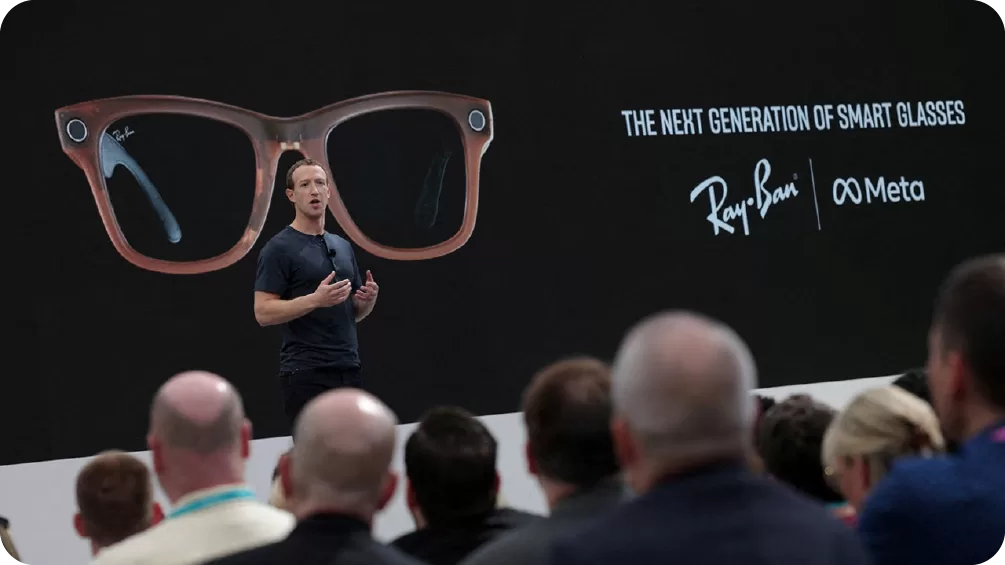
Partnering with Meta, Ray-Ban leveraged the hype around the Big Game to showcase Ray-Ban Meta glasses as more than accessories. They became lifestyle tools powered by AI. The campaign featured Chris Pratt and Chris Hemsworth, two Marvel stars whose playful rivalry instantly captured attention. Adding Kris Jenner as a twist amplified mainstream appeal across generations.
The Execution
Released two, 30-second ad spots during the Big Game where the Chrises used Meta AI glasses in humorous, everyday scenarios.
Integrated pop culture references, like Hemsworth eating a $6.2M art banana, to spark viral conversation.
Positioned the glasses as both stylish and functional, highlighting features like real-time translation, live information, and hands-free content capture.
Dropped limited-edition glasses tied to the Big Game, creating exclusivity and urgency.
Source
The Results (Impact as a Marketing Tactic)
Celebrity Power: Leveraged Hollywood icons to generate buzz across entertainment and tech media.
Cultural Integration: Tied the product to the Big Game, a peak moment for marketing visibility.
Virality: The humorous “who eats art?” moment sparked social chatter and meme potential.
Brand Relevance: Reframed Ray-Ban as not just heritage eyewear, but a forward-looking innovator.
Lifestyle Positioning: Showed glasses as everyday companions for fun, fandom, and functionality.
Takeaway
Meta AI glasses were not just advertised. They were culturally staged.
By merging celebrity storytelling, humor, and exclusive product drops, Ray-Ban turned its smart glasses into both a tech innovation and a marketing spectacle.

The arrival of Meta smart glasses pushes marketing into a space where digital and physical realities overlap.
The brands that succeed will be those willing to experiment, adapt, and think beyond the screen. From personalized advertising to AR powered shopping to unforgettable live events, these glasses offer the tools to create experiences that are not just seen but lived.
The question is no longer whether AR will change marketing.
The real question is, which brands will move first and set the standard for how consumers expect to interact with companies in an augmented world.

“AR is the direction that I think is far more interesting and promising, for technology and, really, for humanity.
AR is designed to enhance the things you do as a human being: Being outside, socializing with other people, shopping, playing, having fun. AR can make all those things better.” John Hanke
For brands, operating in the digital space adapting to relevant changes is a non-negotiable.
Over time, augmented reality will impact how consumers perceive, choose and buy from your brand. As such a future ready brand is the need of the hour.

IRIS can help.
Our team of seasoned digital marketers have built solutions that are designed to adapt, grow and excel with the changing dynamics of the digital marketing world.