The digital world is contradictory. Anyone with an online presence understands that there is a major shift in how audiences view entertainment, branding and even promotional campaigns. Real time feedback, video testimonials, transformations and user generated content is applauded and an AI generated image or video doesn’t immediately garner the consumers trust.
But if “authenticity” is all the rage, why does AI have such a huge impact on how individuals and businesses operate. Upgrades, tools, prompts – you name it and giants like Meta and Google are dropping updates like the future depends on it!
The latest in the arsenal is Nano Banana – Google’s advanced Image AI editing model. With its natural language editing, exceptional consistency, multi image fusion, complex edits and high-performance metrics; it’s set to become a digital favorite like no other.


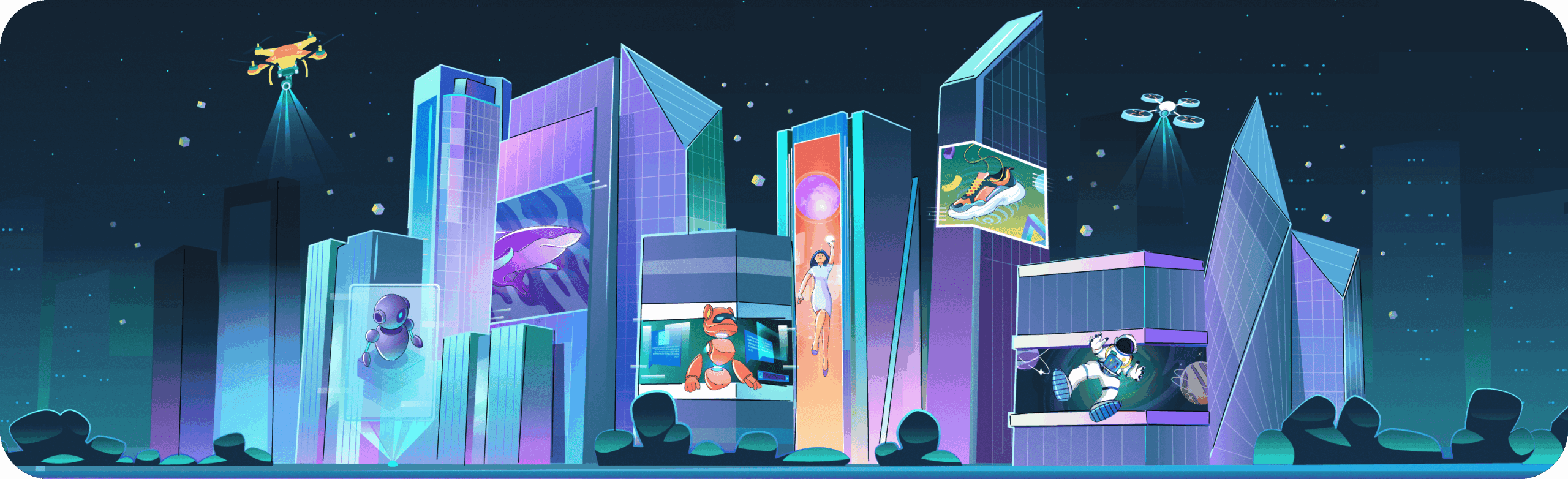
Billboards, transit ads, static advertisements – anything that reaches consumers outside of their home is OOH. There’s also DOOH which means digital out-of-home advertisement that uses screens and other media to display promotional content.

The digital climate leaves little to no room for brands to maintain authenticity, yet that is all the consumer is looking for. Smarter algorithms, synthetic creations and AI driven narratives dilute human expression as a whole.
“As AI reshapes digital interaction, consumers crave authenticity. In a skeptical world, OOH builds real connections, essential for lasting success” – Veridooh’s CEO, Mo Moubayed.
OOH can be moulded into a digital activity and take on qualities of the AI wave without blurring the human expression or eliminating the need for physical advertisements in outdoor spaces.

In 2025, no one is standing still admiring one particular billboard unless the hype cannot be ignored or something controversial hasn’t been plastered all over it. What does catch the eye of your target audience is a billboard’s ability to engage with the audience.
For instance, BMW’s Mega Me experience is one of the most well-curated examples of OOH. The goal was to showcase the latest model of the vehicle through high resolution face swapping technology.
 Source
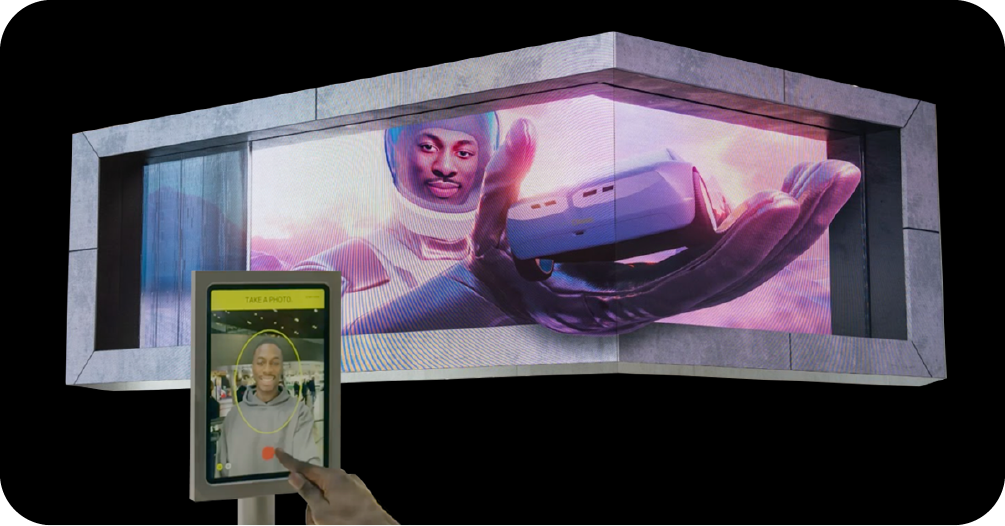
Since January 5, 2023, BMW Welt visitors can see their faces animated in real-time on the naked-eye 3D billboard with the new BMW iVision Dee Vehicles – posted BMW on their official website. The experience is as real and as authentic as it gets. You in your dream car because BMW engaged directly with you!
Besides this, Mcdonald’s used the same technology to promote their hot beverages during colder days and cold ones when the sun came out in London.
OOH brings a level of credibility that digital often struggles to match. Online, trust is fragile, just look at “mascaragate,” where an influencer’s use of false lashes (aka falsies) spiraled into a PR storm. With the rise of AI-generated content, skepticism only deepens. In this climate, consumers crave authenticity and the human touch, something brands must deliver.
Stackla research observed that a staggering 88% of consumers state that authenticity is a key factor when deciding which brands they like and support.

According to “The Moment for Trust” study by Clear Channel and JCDecaux, 31% of consumers say they trust OOH advertising, and 49% believe OOH is more trustworthy than social media.
Looking at it from a business perspective, OOH or even DOOH separates your brand from the crowd. A move like BMW’s Mega Me or Louis Vuitton’s yacht campaign also puts you on the “digital map” and you continue to draw attention on social platforms as much as you do at the physical location even after the campaign is over and done with.
Similarly, London, Manchester and Southampton experienced the impact of UV rays in real-time. Using generative AI and historical data Wonderhood Studios and The British Skin Foundation designed the “Burnable Billboard”.
Source
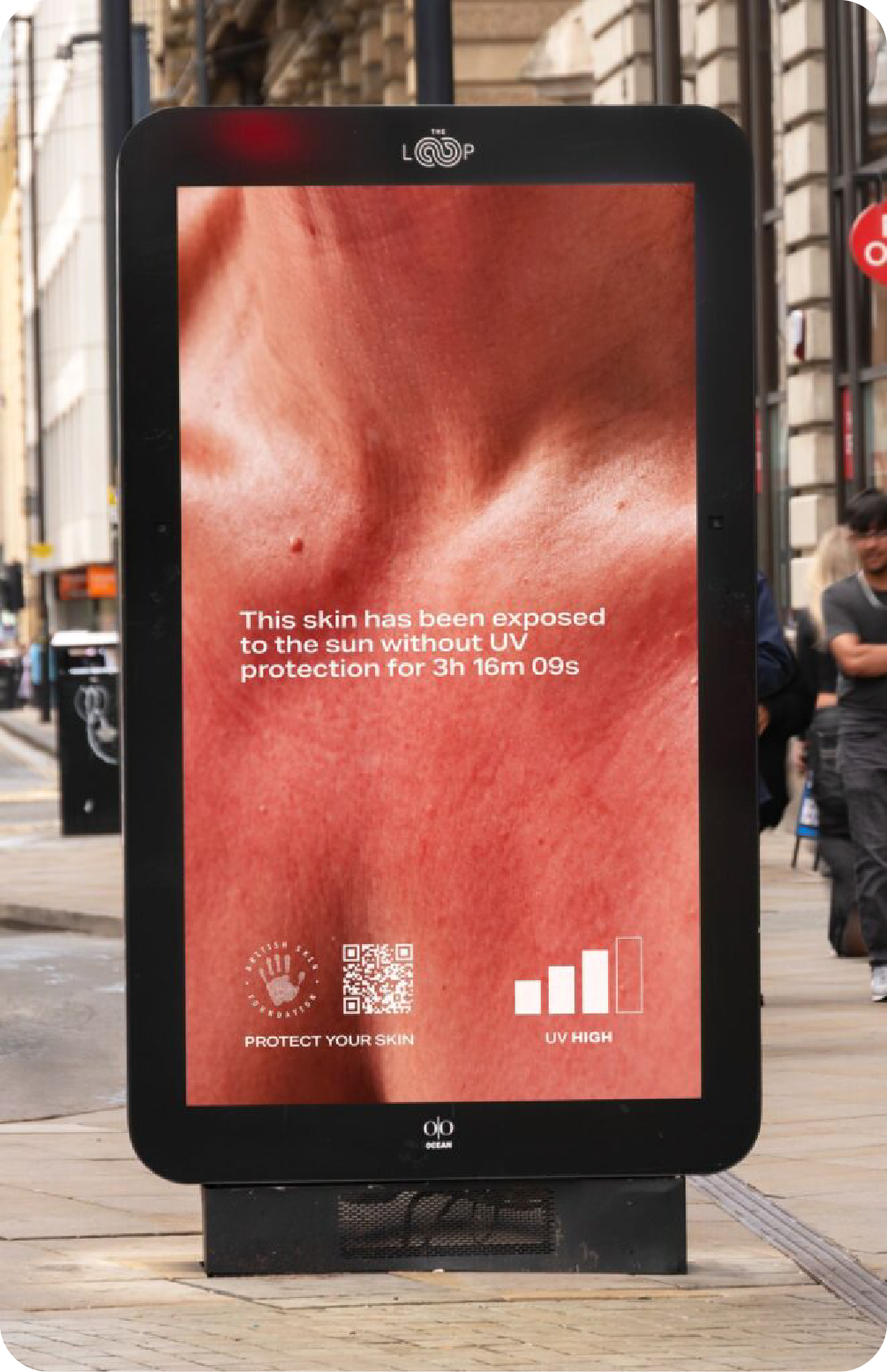
This drove the point home, even further than what a social media campaign could achieve. It demonstrated the personal investment of The British Skin Foundation in helping “their” citizens avoid skin conditions like sun damage, skin cancer and so on.

The understanding that younger audiences tend to consume information through their “devices” may be true but, OOH manages to break through the digital noise.
Nielsen reports that 59% of Gen Z trust OOH, this percentage emphasizes OOH’s impact on how the younger demographic responds to out of home campaigns. This response ultimately translates to their interaction with the brand on online platforms.

Lets browse a page from Google’s “Think with Google”. The title “Creating the impossible ad with AI: Tombras” positions the campaign as a groundbreaking rollout.
Let’s take a closer look:

When moving and storage company PODS partnered with creative agency Tombras under the Google AI Lighthouse program, they set out to solve what seemed like an impossible brief: create a hyper-local, data-driven out-of-home (OOH) campaign that could speak to nearly every neighborhood in New York City.
The Challenge
Traditional OOH campaigns are limited by production costs and static messaging. Producing thousands of unique taglines for different boroughs and neighborhoods would normally require months of work, large budgets, and significant manual effort. The challenge was to overcome these constraints while working at speed.
The Generative AI Advantage
Tombras integrated Google’s Gemini AI into every stage of the creative process. Instead of replacing the team, AI became a collaborative engine. It ingested brand data, customer insights, reviews, and cultural references. It generated thousands of headline options at scale, tailored to the nuances of different locations. It also helped compress weeks of brief-building and ideation into just days.
The result was over 6,000 lines of dynamic copy, each tuned to resonate with the character of a specific neighbourhood.
The Execution
Using Google Cloud and real-time data integrations, Tombras built an API that dynamically updated PODS truck billboards with location-specific copy as they drove across New York. A truck passing Broad Street displayed:

Minutes later, in Brooklyn, the message changed to reflect local identity.
This real-time adaptability transformed PODS’ fleet into what Tombras described as “the world’s smartest billboard.”
The Impact
In just 29 hours, the trucks covered nearly 300 neighborhoods. The campaign delivered immediate business results:
- 60% increase in website sessions in NYC
- 33% lift in quote requests, the brand’s key conversion metric
- The strongest week-on-week growth PODS had seen in years
Why It Matters
This case demonstrates how generative AI redefines the boundaries of OOH advertising. By combining scale, speed, and contextual relevance, AI transformed what was once a static medium into a living, responsive storytelling platform.
For PODS, the campaign was more than a stunt. It proved that with AI, traditional media can be as dynamic and personalized as digital channels.

Want to build an immersive out of home experience for your audience, let IRIS’s generative AI & spatial design expertise power your creativity!