
Bigger, better, larger than life. Shampoo ads on billboards promised luscious locks from the very first use. Heavily edited images suggested skincare in a bottle was all you needed to look ever youthful. What most didn’t notice was the tiny asterisk at the bottom, quietly reminding you that the product needed at least four weeks to show results.
That kind of marketing shaped how audiences learned to consume messages through a mixed lens of optimism and scepticism, alongside a growing awareness of what’s real versus what’s performative.
This was when the goal was profits and less about accumulating a cult following.
As Kotler explains, mass marketing was built on the belief that reaching the largest possible market would drive economies of scale, lower costs and higher margins.
- Adapted from Kotler, Marketing Management (2000)

Possibly the most unhinged ads of all time surfaced. Products that are now on the no-no list were marketed as “must-haves”. What lacked in the entire process was customer engagement and real time feedback.
Sales happened, brand ambassadors became the talk of the town and yet, the buyer journey took a back seat and customer opinions rarely made headlines.

Brands used bold slogans, memorable music, magazine ads and what not to become memorable. This was followed by email marketing, banner ads and digital footprints that became their identity.
Soon, social media took over, paid sponsorships created communities, YouTube was the hub for entertainment and advertisements were placed strategically to get a better response from the buyers.
This opened doors for blogs and videos, influencer partnerships and the idea of “products in action”.

This is where the customer began looking in. This is where brands began to understand performance marketing and started making data-driven decisions. Here-on, creator-led marketing, slowly became a trend.
This meant “real faces”, real lives and real impact being shown online. Influencers choosing pre-workout greens to promoting smoothie bowls as superfood; shook the very idea of “advertisement and subsequent engagement”.
Still, this did not give the customer the “authentic access” they wanted. It was still celebrities becoming the face of brands, elaborate PRs and airbrushed photos making the cut.
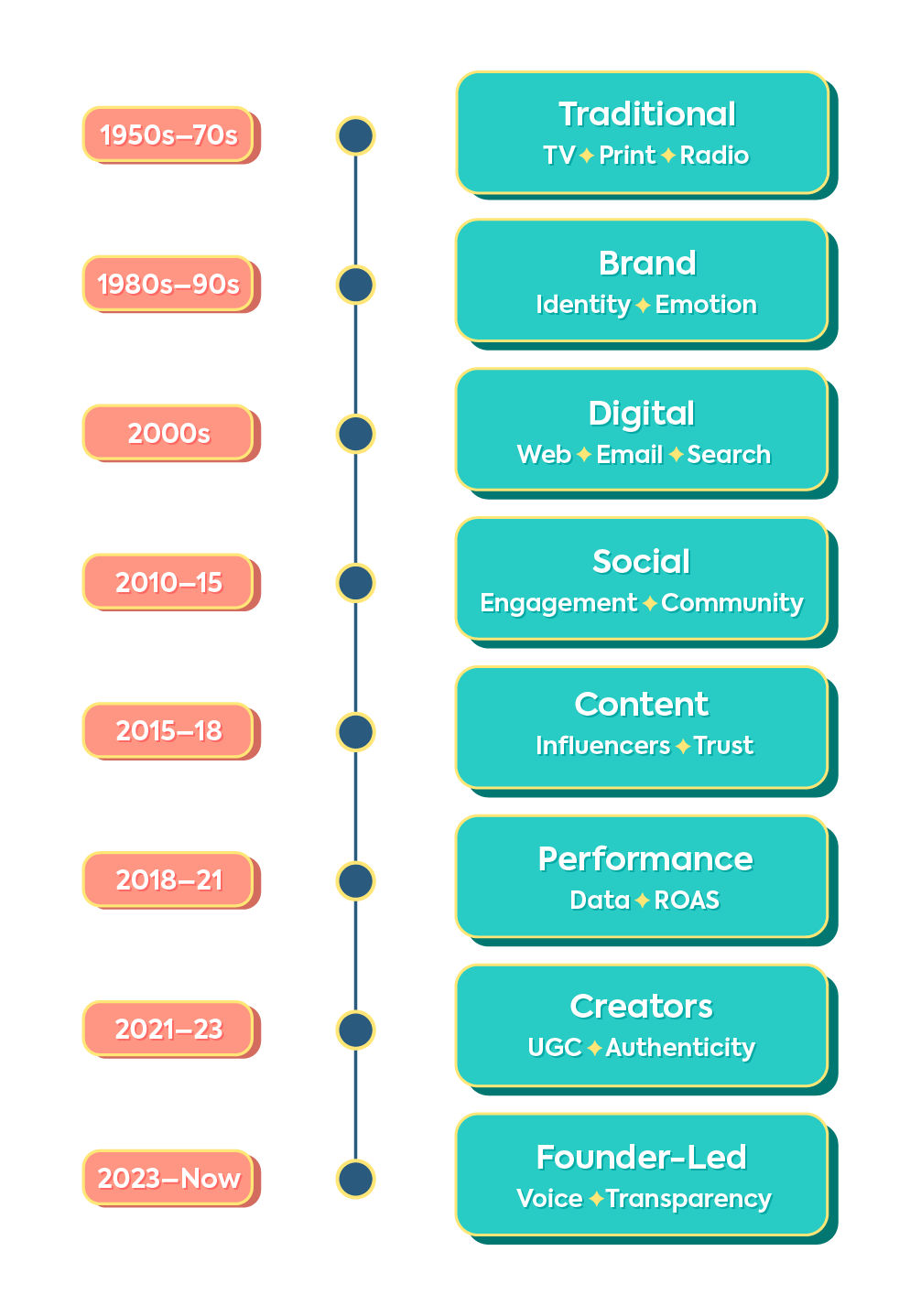
Although, in the era of influencers and affiliate marketing, people saw real people, people like themselves talking about products, posting “links” to shop from, making “products” accessible, demonstrating how they are used and capturing the real-time impact of these products, there was still something missing.
Then Came the Two Pronged Tide that Changed How Brands Sell and Buyers Buy
From loud billboards on Time Square to OOH experiences, PR boxes, influencer culture and affiliate marketing, there’s a lot to unpack when a brand decides “the right way” to reach its audience.

While using customer reviews wasn’t unheard off, making it an entire genre of customer insight is a fairly recent revelation.

The first time a brand encouraged customers to use and record a product was back in the mid-70s. Kodak held customer photography contests and featured non-professional photographs in their content.

Fast forward to the 2020s and UGC is a marketing staple. Brands engage with micro influencers and even those with mass following to use their products in real time and share their experience.
What is UGC you ask? It is user generated content that influencers, marketing agencies or even regular customers record and let the brand post. This brings the buyer as close to real time experience as it can.
To put things into perspective, recent UGC campaigns have evolved from social submissions to full creative ecosystems. Seen in GoPro’s user-built content engine, Apple’s global customer-shot storytelling, and Nike’s creator-powered virtual worlds.



While these examples mark major collaborations and user generated content on a massive level, niche brands also work with micro creators to create content that resonates with their audience.
The rise of UGC communities, word-of-mouth commerce and interactive content creation gives brands access to consumer thought and real time feedback while using social proof as a tutorial on how to use their products and emphasizing their results without massive collaborations. You can find a UGC kit here, if you are planning to use UGC for your brand.

There was a time when reviews felt authentic and ratings were all the validation brands needed to give their customers a preview of what to expect. As digital interactions increased consumers began to question the authenticity of what was being marketed.
76% of customers are skeptical about the authenticity of reviews if they are all positive, and 30% of customers say they won’t purchase from a company that doesn’t have any negative reviews – reports forbes
Flashy campaigns and AI generated content does little to assure the customer. To improve sales, and build interactions brands must be where the attention is. This means tapping into founder-led marketing or considering AI in OOH Advertising: The Future of Authentic Marketing as a solution.

Founder-Led content is any content created by the founder or CEO of a company. This means engaging directly with all digital marketing channels your brands use to interact with your target audience.
Genuine human connection translates into brand authenticity. People get to see your brand as “human”. Not only does this give your brand the space it needs to build emotional connection but also gives it leverage to create, grow and learn.
Let’s take Rhode’s lip peptide relaunch. The original formula was grainy because of the crystallization of the shea butter particles and the feedback was LOUD.

So what did Rhodes do? They did a relaunch!
“Inspired by your feedback, we’re so excited to share that an improved version of the formula is on the way. Same nourishing gloss you know and love, now with a lasting smooth texture. We took our time over the past two years by researching, experimenting, and testing to find a solution. Our biggest upgrade was switching the shea butter from a solid to a liquid form, ensuring it glides on smoothly and maintains a consistently even texture. Feels just like the original, with the same skincare benefits and a little more cushion and richness for a comfy application.”
This is what the relaunch post read. Customers were excited, the peptides sold out and everyone was posting about the improvement right left and centre. In fact there is no evidence of sales numbers dropping due to the initial texture.
Why? From a marketers point of view this can be attributed to the human factor the face of the brand brings to the mix. Hailey Bieber is often seen applying her very own products in snippets of personal life reels.
This showed her in the same light as the customer. As someone who experienced the graininess first hand and then did something about it. Instead of viewing it as a failure or poor R&D on the brands part, customers saw it as trial and error, a very human experience.
Founder-led content doesn’t just create human connection it also positions the brand correctly. People running these brands have the opportunity to position themselves as thought leaders, storytellers, tastemakers and even problem solvers. In essence, it turns visibility into demand through association.

“Founder-Led companies tend to outperform their peers on measures of market capitalization growth and long-term value creation.”
- Harvard Business Review “Founder-CEOs and Firm Performance”
Besides research it is a rising trend. While founder-led content has been performing exceptionally for many brands since their inception, founders replacing celebrities and collaborative brand ambassadors to become the face of their brands is fairly new.
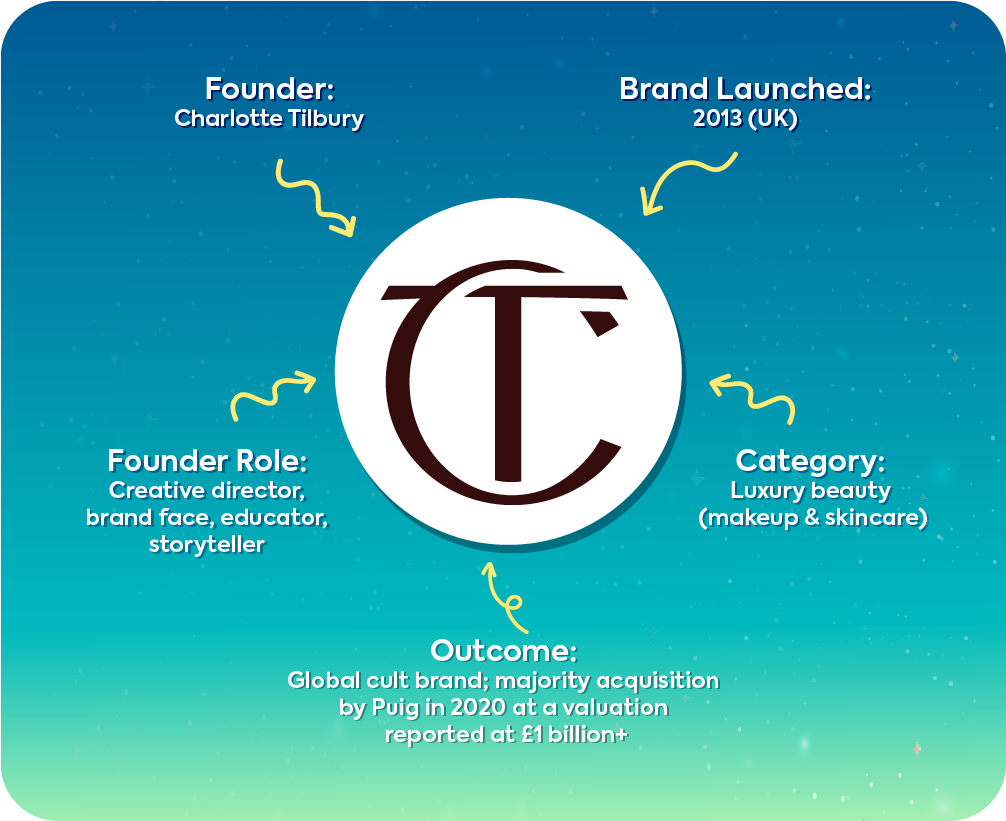
Let’s take a look at how Charlotte Tilbury has been doing it.
Founder First, Brand Second
Charlotte Tilbury Beauty launched in 2013 with an unconventional approach: the brand didn’t lead, the founder did. Rather than traditional luxury marketing, Charlotte made a deliberate choice to give consumers access to herself. Her knowledge, voice, and working process became the primary growth engine

Education Over Persuasion
From day one, Charlotte appeared directly in tutorials, product videos, and campaigns. She explained how products worked, how to use them, and why she created them. Consumers weren’t asked to trust abstract brand promises, they were invited into the founder’s process. Education replaced persuasion. Proximity replaced polish.
Products as Shared Knowledge
Iconic launches like Pillow Talk weren’t trend-driven releases; they were backstage secrets shared with the world. A shade she already used on everyone, refined through experience, now available to consumers. Founder experience became validation. Personal use became proof.
Scaling Without Losing Access
As the company expanded globally, Charlotte didn’t step back. Her presence scaled across digital, retail, social, and PR channels. The brand stayed coherent because the founder remained the interface. Consumers continued to feel direct access to the person behind the products, even at scale.
Business Impact
This founder-led approach created a brand that felt premium yet personal, authoritative yet approachable. In 2020, Puig acquired a majority stake at a reported valuation exceeding £1 billion, proving that founder-led trust translates directly into enterprise value.
Charlotte didn’t invent a brand voice, she monetized the way she already spoke.
“Darling.”
“Magic.”
“Glow.”
“Confidence.”
Her everyday language became repeatable marketing assets. Instead of crafting campaigns, she scaled her own voice.

Founder-Led brands amplify trust and personality, but high visibility also concentrates risk. Martha Stewart’s empire shows that when a founder becomes the brand, any misstep hits the business directly. The key isn’t to step back, it’s to add structure, intent, and governance:
- Structured visibility: Appear where it strengthens credibility, not dependency.
- Scalable processes: Systems for content and storytelling keep the brand running if the founder steps back.
- Governance: Clear boundaries between founder voice and brand messaging.
- Risk awareness: Plan for reputational and operational exposure.
With these measures, founder-led trust becomes a strategic asset, not a vulnerability.

There are quite a few ways to go about building a brand persona around the founder. It’s crucial to understand the foundation of the strategy. The goal of founder-led strategy is to give the customer an inside view of the process, the challenges and the solutions. You can do so by working with your in-house resources and talent as a team or focus entirely on the founder’s personal brand.
Either way, when building a founder-led content strategy there are three key elements you must focus on. Taking inspiration from Aristotle’s formula:

Start With Emotion
Founder-Led content is all about building a connection. When a founder or face of the brand speaks, they should engage the audience in the process of creating the brand itself, talk about how personal experiences inspired their decisions, how they struggled creating something tangible and how it affects them as humans.
Credibility Comes from Reality
Even the most viable ideas are a hit or miss. Success is never guaranteed, and credibility isn’t something anyone can fake. This is the advantage of founder-led branding. From posting social proof of how your brand or product helped people to showcasing how your experiences shaped your authority
Logic Runs the Show
It’s crucial to understand that people buy value. They will resonate with a brand, listen to the story and even engage with the entire process. But, if the outcome or the product/service isn’t providing value, the chances for success are limited. Make sure the information you put out is clear, rational and leads the customer to the brand itself.

For brand contemplating shifting to a founder first approach, it is crucial to understand the founder-creator balance. Anything and everything cannot become a part of the marketing strategy. While you are showing the real highs and lows of your branding and persona; what lands on the customer’s screen should be strategic.
Here’s how you should categorise your content:

You are essentially building your business in public, or launching a new product and letting the customer in on the process. You can choose to go with a vlog, 1-minute BTS reels or even do a mini-series of sorts to create a hype for your product.
Intentional posting is the key to this part of the content strategy. Much like Pia Mance for her jewelry brand Heavenmayhem. A vlog style look into crucial moments for the brand, such as Black Friday at her brand and so on…


When designing a founder-led strategy you may just be starting off as a business. This doesn’t have to stop you from developing a voice for your brand. Most businesses make the mistake of focusing on only giving away value and that makes them just like anyone else on the block.
To develop a unique voice, talk like your human self. This means having an opinion. This can be about the brand itself, your likes, dislikes and inspirations, your point of view on industry trends, your knowledge of materials you are using, and so on.
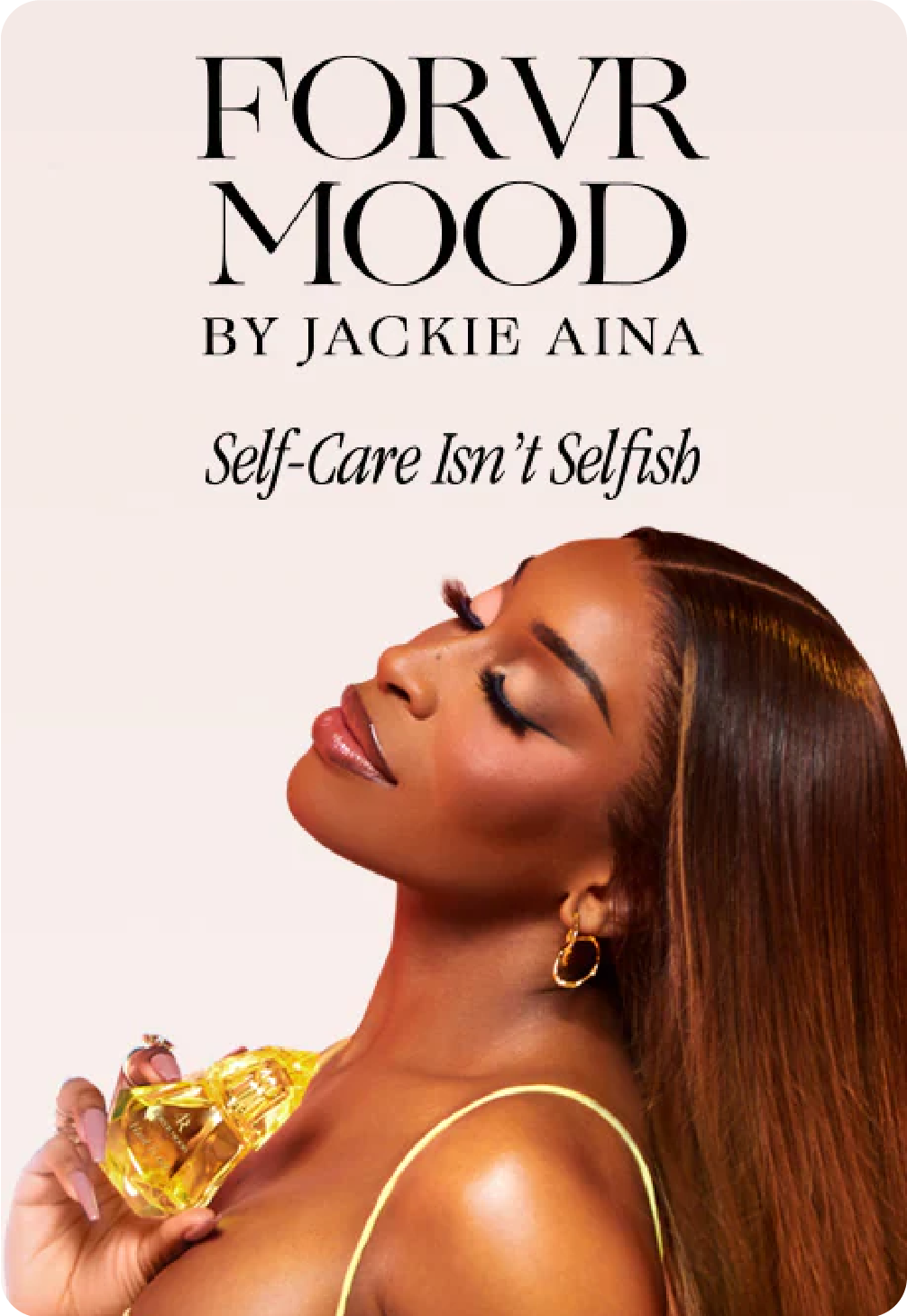
Much like Jakie Aina’s selfcare brand Forvr. What stood out throughout the branding process was her knowledge of the products she is selling.
From the ingredients in her candles to the notes in her perfumes, she relied strongly on the power of research and information to become an authoritative voice.

There is no founder-led branding without interaction. Customer engaging, hype and positioning your persona across channels is crucial to get the attention your brand needs.
Think like a community and give your audience the space to interact with you. This can mean going live, answering queries, using your products or even sitting on podcasts to make the journey personal for the buyer.
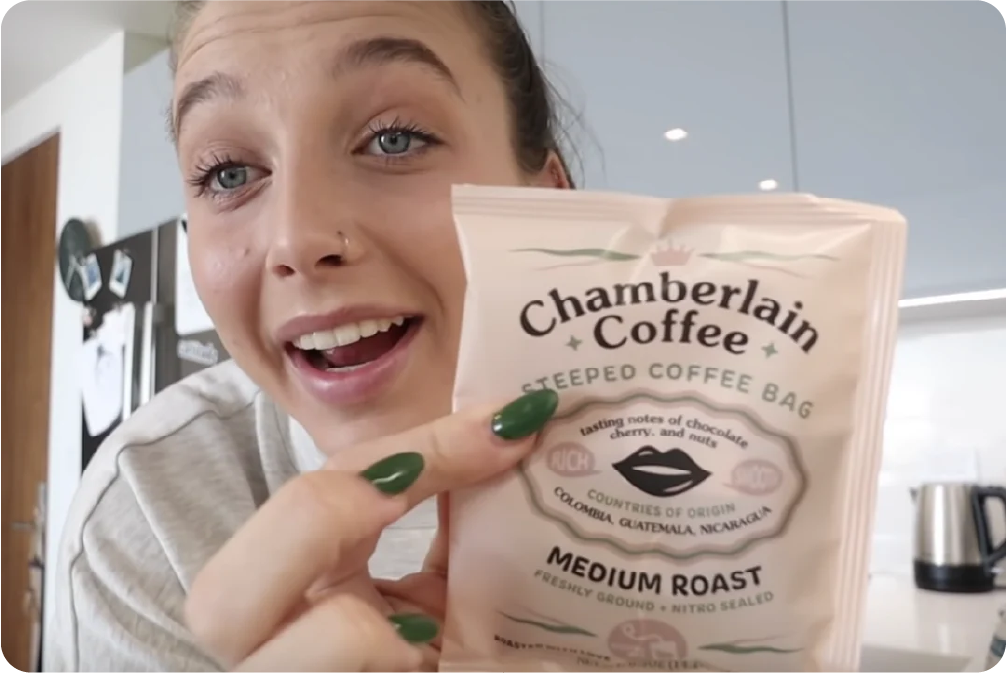
One excellent business model is that of Chamberlain Coffees. The founder Emma, collaborated with Wholefoods to do an interview of sorts that gave the buyer a look into the thought of the founder.
Besides this there are snippets of the process, the products and the personality of the founder to make the entire thing feel like a personal win, creating a sense of connection and community among the buyers.
Want a Strategy Made Just for You? Talk to IRIS
To start building a strategy that gives you a founder-led advantage, book a discovery call with us.
We understand that Content First is the Strategy of Tomorrow and Leading Brands Are on Board, as such we provide you with the right tools to get things in motion!


What exactly is a founder-led content strategy?
It is any content created directly by a company’s founder or CEO to engage with the target audience. It transforms a brand from a faceless corporation into a “human” entity by building genuine connections through the leader’s personal voice.
How does this differ from traditional mass marketing?
Mass marketing was built on reaching the largest possible audience to lower costs and increase margins, often lacking customer engagement. Founder-led marketing prioritizes “authentic access” and proximity over polished, airbrushed advertisements.
Will the founder have to do everything themselves?
No. While the founder is the face, the strategy can involve in-house teams working on the founder’s personal brand. The goal is to use the founder’s knowledge and working process as a growth engine while scaling their voice across different channels.
What is the “Aristotle Formula” in this context?
It is a three-part framework used to build a strong brand persona:
Emotion (Pathos): Engaging the audience with personal stories and struggles.
Credibility (Ethos): Building authority through reality and social proof.
Logic (Logos): Ensuring the product or service provides clear, rational value.
What are “Reality Documentaries” in branding?
This involves “building in public” by letting customers see the behind-the-scenes process of a business or product launch. It uses vlogs or short reels to create hype and make the brand’s journey feel transparent.
How does “Interaction” help the strategy?
It moves beyond one-way broadcasting by creating a community where the audience can engage directly with the founder. This includes things like live Q&A sessions, podcasts, or responding to feedback to make the buyer’s journey feel personal.
What are the risks of being a highly visible founder?
Concentrated visibility means any personal misstep by the founder hits the business directly. To manage this, founders should use structured visibility and clear governance to separate their personal voice from the brand’s core messaging.