
SEO or search engine optimization is a powerful process that can help businesses and individuals become visible to the ‘right’ audiences.
This includes ranking on the 1st page of a search engine, showing up as a highlighted text as an answer to a viewer’s query, becoming visible on social platforms or being the top link in AI-generated results.
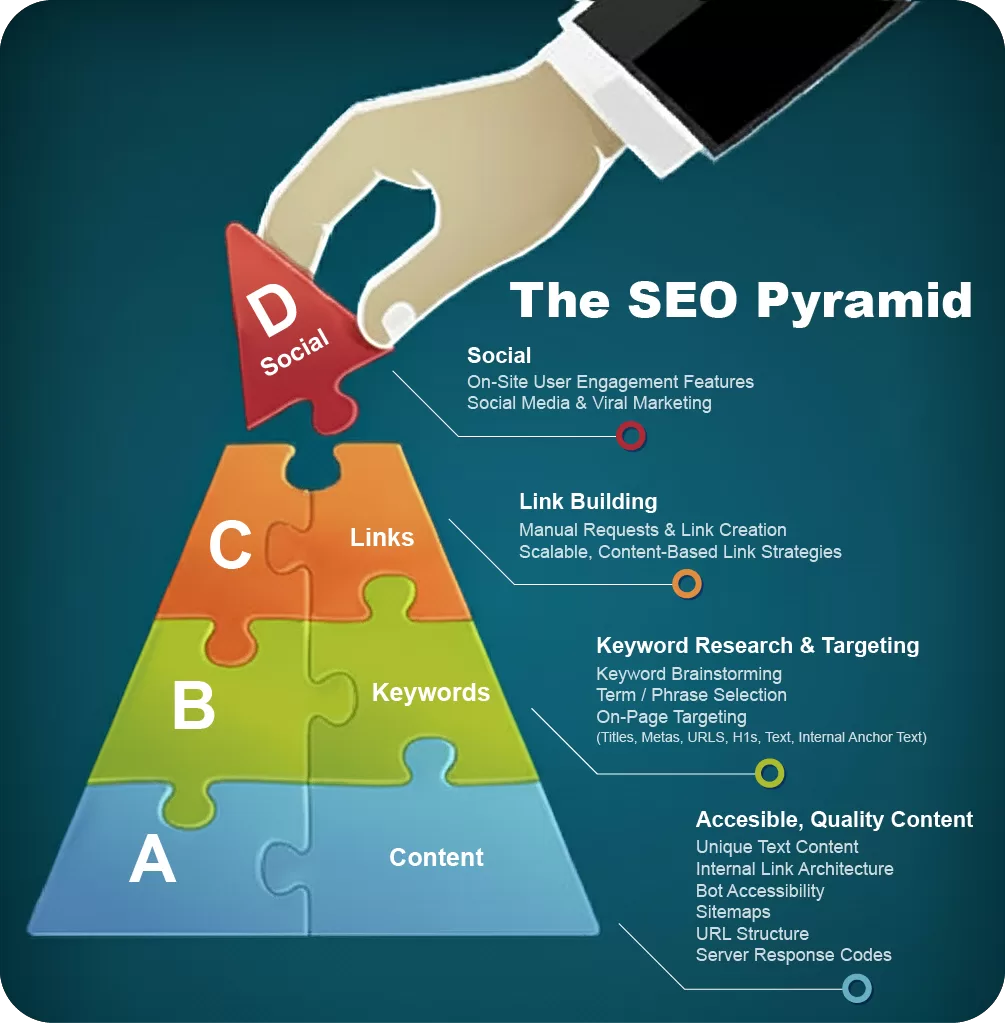
To optimize your presence online, it is crucial to view SEO as an umbrella. From blog seo to site architecture and technical optimization, there are a few different parameters that help your content become visible in the right capacity.

When businesses first consider SEO, a wave of questions often follows:
Does blogging help SEO?
Is SEO really necessary to attract organic traffic?
Are people actively searching for my product or service? If so, will they be able to find my business among competitors?
These are natural concerns, and they highlight why search engine optimization isn’t just a technical exercise, it’s a strategic approach to ensuring your brand is visible where it matters most: search engines.
Blog SEO is a huge part of how “traffic” finds your content.
According to a HubSpot study updated in 2022, companies that publish blogs get 55% more traffic and have 434% more pages indexed by search engines.
To put a fine print on it, search engine optimization in blogs refers to the process of optimizing your blog content, structure, and publishing strategy so that it ranks higher in search engine results and attracts more organic traffic.
It goes beyond simply writing articles.
SEO blog writers understand that it involves keyword research, creating high-quality and valuable content, optimizing on-page elements such as titles, meta descriptions, headers, images, internal links etcetera, and ensuring technical performance like site speed and mobile responsiveness.
In simple terms, blog SEO is about making your posts discoverable for the right audience at the right time. When done well, it helps your content show up in search results for queries your potential customers are typing into Google, builds brand authority, and drives consistent traffic without relying heavily on paid ads.
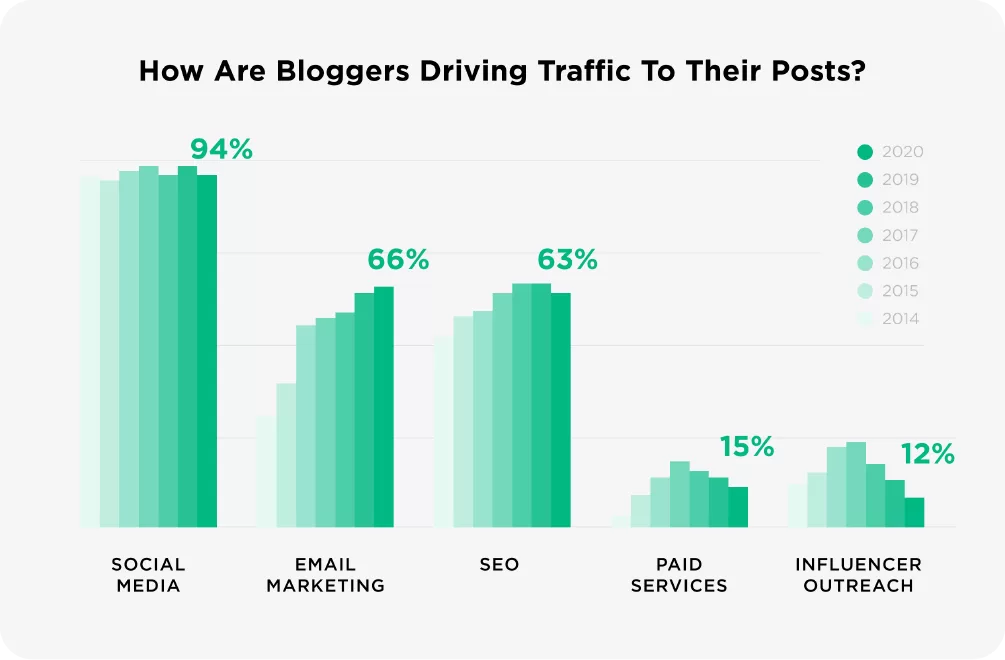
A recent survey from Backlinko, observed that SEO is the 3rd most relevant source of traffic.

In short, yes. Search engines use several parameters that rely heavily on SEO to rank search results as per the users query.
Since understanding the algorithms that run these search engines in its entirety is next to impossible, we have compiled ranking factors that have worked as a result of trial and error run by search engine optimization specialists over time.
Helpful and contextually relevant content
Bylines by the author
Internal and external linking
Keywords, Keyword placements and content structure
Backlining and high domain authority
Crawlibility, website structure
Cross platform clicks and branding
Accessibility and website loading speed

Writing relevant high quality and well researched content is the back bone of a good blog. However, there are certain tweaks and additions that have become crucial for your blog to show up in the right places.
Here are a few ways you can optimize your blog seo for search engines.

Keyword optimization is the first step to optimizing a blog.
Make sure that your content uses one keyword as the focus. Overcrowding can confuse the algorithm and take away from the possibility of ranking your content.
Different types of keywords deliver different types of benefits for a blog. For new bloggers using long tailed keywords such as “How to find keywords for SEO” yields better results than a single word or 2-3 word keyword.
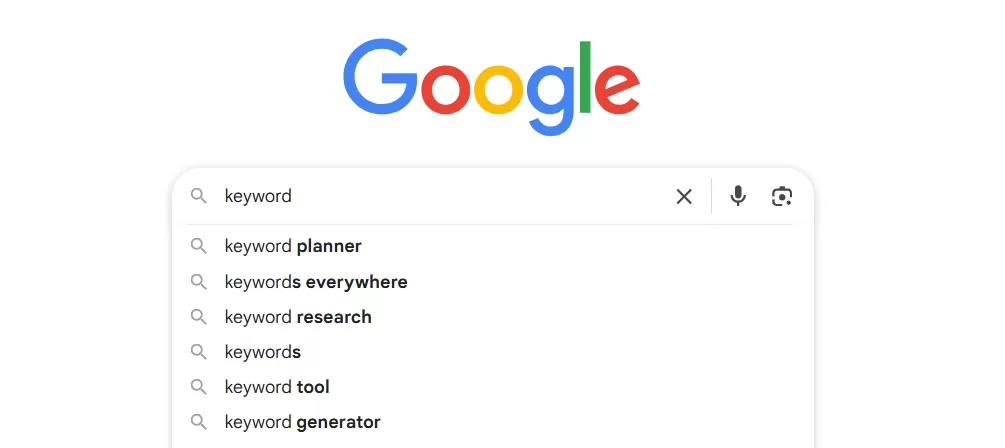
One way to find these words is by typing your primary keyword into the search bar and finding what people are searching for, then using these throughout your blog. You can also use this method to find search results in your blog topics.

Once you’ve identified your keywords, strategically place them throughout your post. SEO is no longer about keyword stuffing, it’s about context and relevance.
Title & Title Tag: Include the keyword in both. Google pays close attention to title tags, so this step is critical.
Intro & Conclusion: Mention your keyword(s) early to establish context and again at the end to reinforce it.
Headings (H1, H2, H3): Use the keyword in at least one subheading. This helps search engines see how the content is structured.
Other On-Page Factors: Optimize images with descriptive alt text, improve site speed, and ensure your site is mobile-friendly.
This approach signals to search engines what your content is about while keeping it natural and user-friendly.


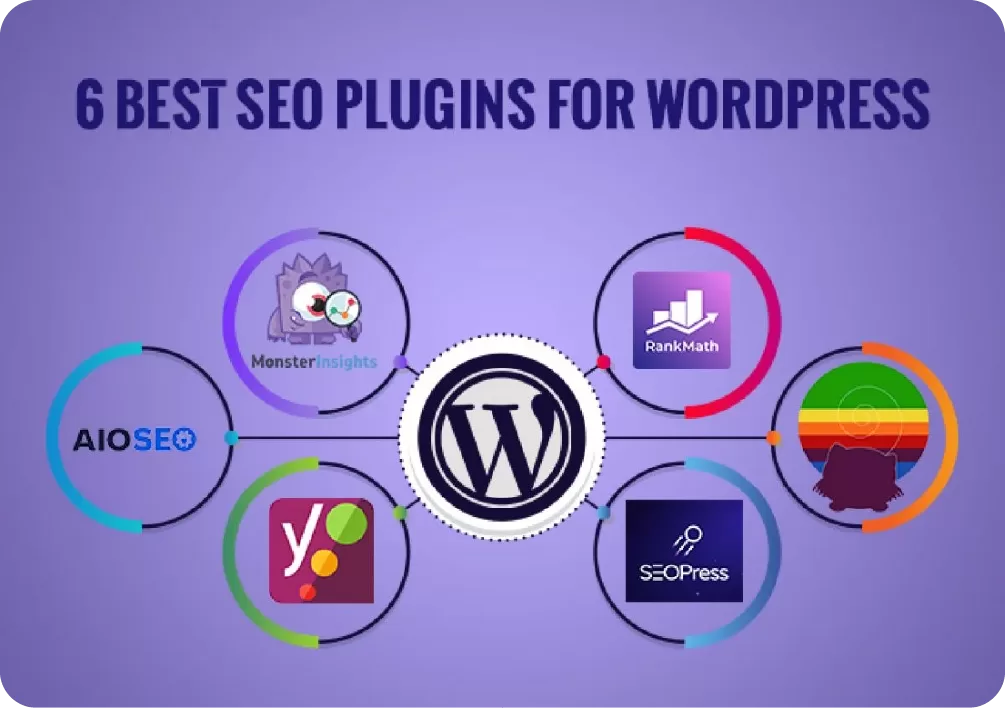
No matter which platform you use, SEO plugins simplify optimization tasks. On WordPress, popular plugins include Yoast SEO, RankMath, and All in One SEO.
These tools allow you to:
Write SEO optimized titles and descriptions.
Automatically generate XML sitemaps so search engines can crawl your site more effectively.
Compress images for faster load times.
Control indexing (e.g., no indexing duplicate or unnecessary pages).
Even if your platform is “SEO friendly” out of the box, plugins give you more control over how your site appears in search engines.

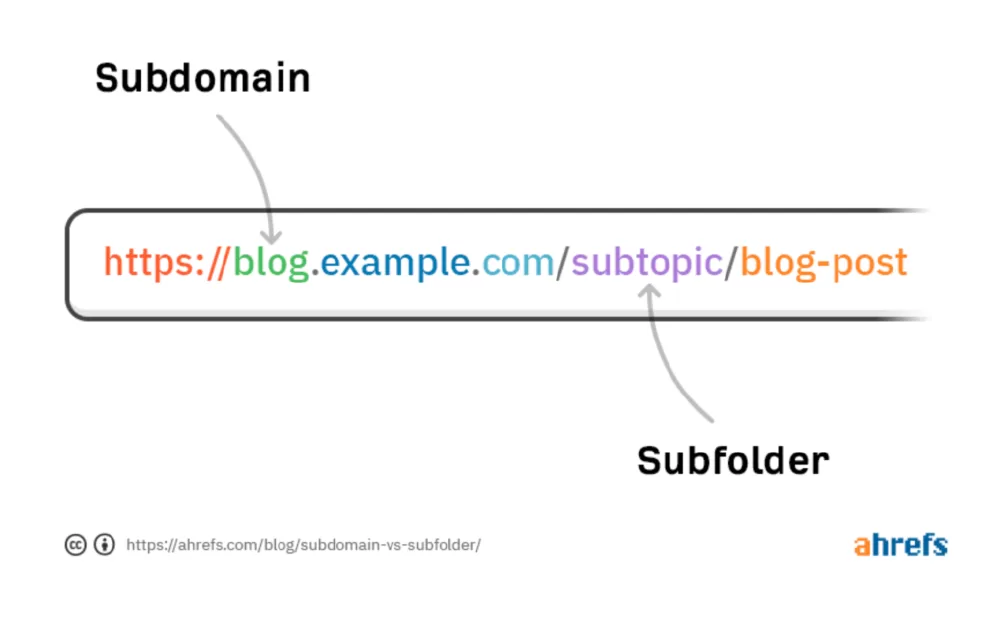
Your blog’s placement matters. Always host it in a subfolder like example.com/blog rather than a subdomain like blog.example.com.
Why? Because Google tends to treat subdomains as separate websites, which can dilute your SEO authority. By keeping your blog in a subfolder, all the SEO benefits of your posts contribute to your main domain. Case studies have shown that moving a blog from a subdomain to a subfolder can increase organic traffic by nearly 100%.


Your URLs should be clean, descriptive, and timeless. Long URLs with dates or unnecessary words not only look unprofessional but can hurt rankings.
For example:
example.com/blog/2025/09/seo-tips-for-small-business (incorrect)
example.com/blog/seo-tips (correct)
Short URLs that include your main keyword are easier for users to remember, easier for search engines to crawl, and stay relevant even when you update content.

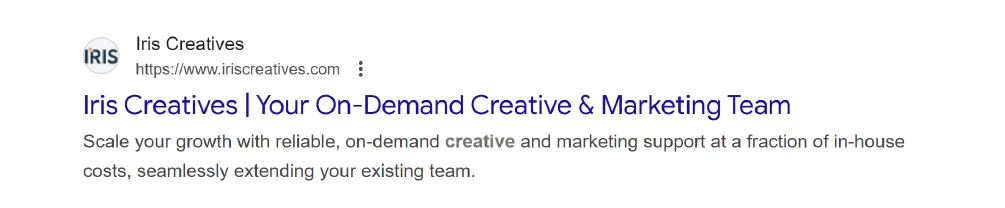
Meta descriptions don’t directly influence rankings, but they play a major role in click-through rates (CTR). A compelling description can determine whether a user clicks your result or someone else’s.
Write a custom description for each post, summarizing the value of your content in 1 – 2 sentences. Focus on clarity and persuasion rather than stuffing in keywords. Think of it as your post’s ad copy in search results.

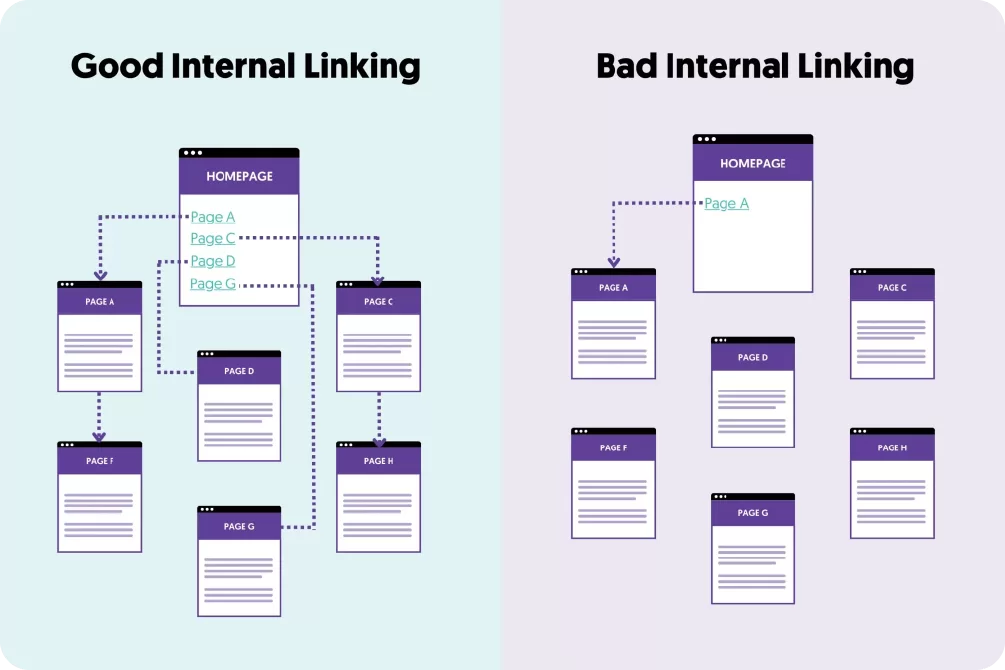
Internal linking strengthens your blog’s SEO by spreading link equity across posts and helping readers discover related content.
When publishing a new post, link it to 5 – 10 relevant older posts.
Then, update older posts to link back to the new content.
Use descriptive anchor text that explains what the linked page is about (e.g., “SEO checklist for beginners” instead of “click here”).
This practice creates a strong internal structure that improves both SEO and user experience.

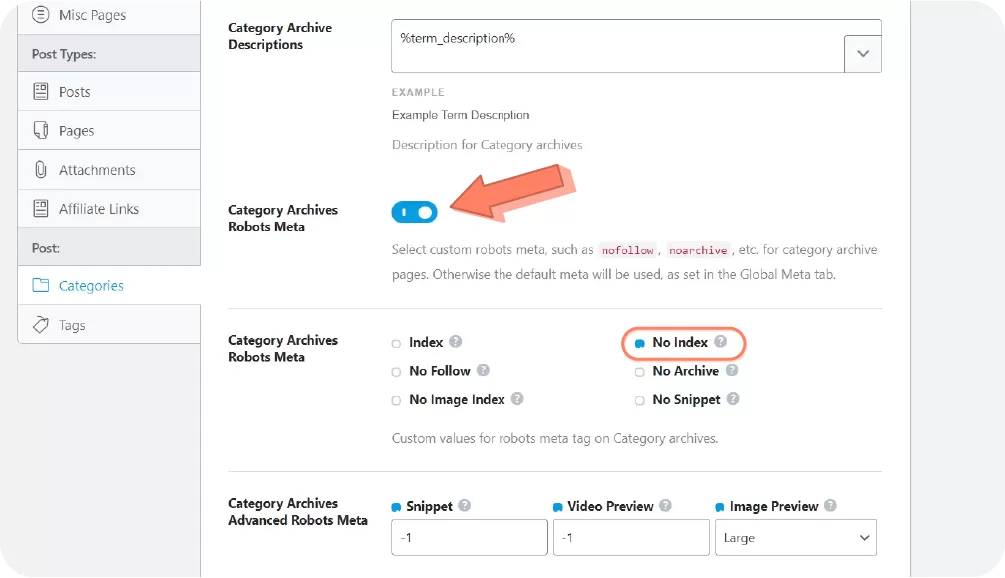
Category and tag archive pages often produce duplicate content, which can confuse search engines and harm rankings. Unless these pages are driving meaningful traffic, apply a ‘no index’ tag so they don’t appear in search results.
This helps search engines focus on your high-value posts rather than indexing redundant pages.

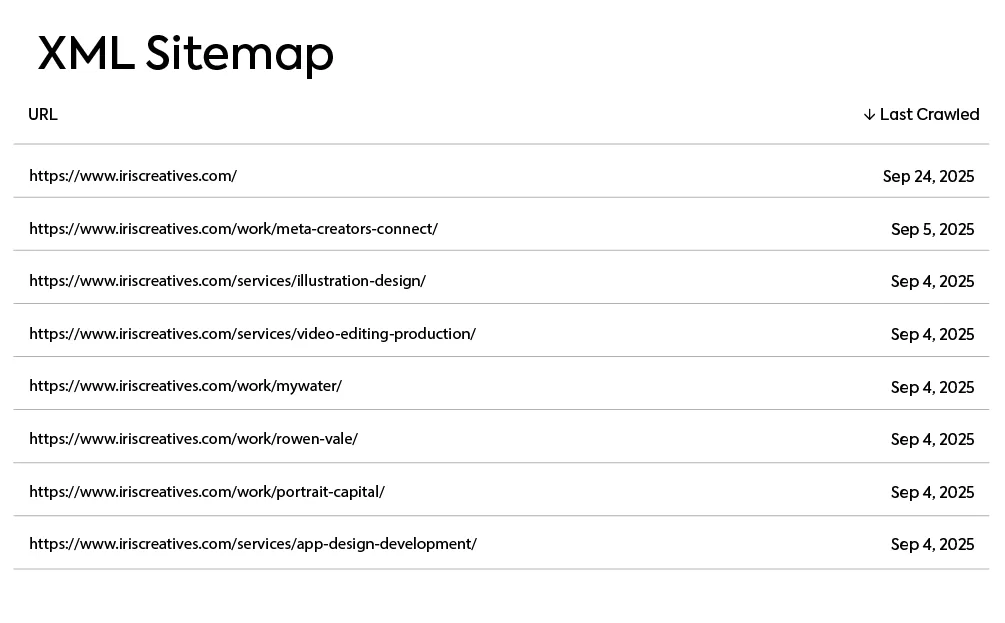
A sitemap acts as a roadmap for search engines, ensuring all your posts and pages get crawled. This is especially important for pages that aren’t easily accessible through your blog feed.
Most SEO plugins automatically generate XML sitemaps. Once created, submit your sitemap through Google Search Console to make sure Google has the most up-to-date version.

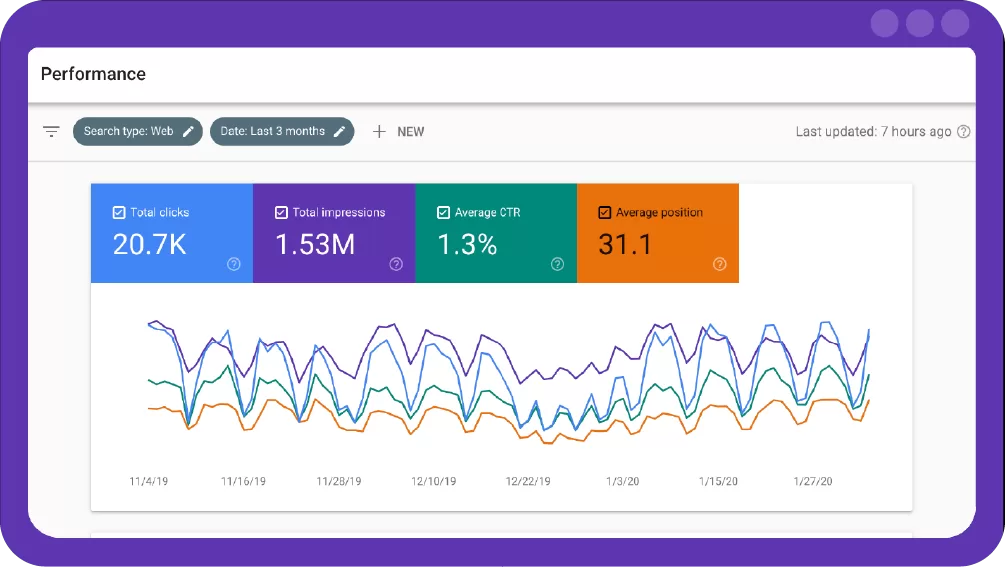
Google Search Console (GSC) is a free tool that gives valuable insights into how your blog performs in search.
Performance Report: See which keywords you rank for and your CTR.
Coverage Report: Check how many pages are indexed and fix errors.
Sitemaps: Submit your sitemap and monitor indexing status.
Regularly reviewing these reports helps you understand what’s working and where you need to improve.

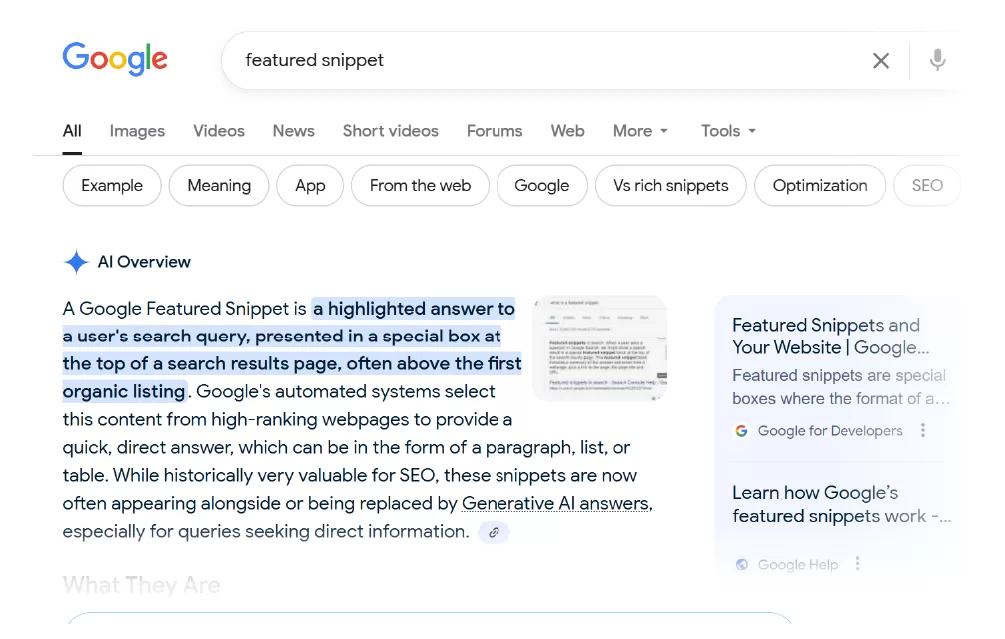
Featured Snippets appear at the top of search results, often above the #1 ranking.
To optimize for them, structure your content clearly.
For “definition snippets,” include a short, precise definition in your post.
For “list snippets,” break content into bullet points or subheadings.
By formatting your content for snippets, you increase your chances of capturing this highly visible spot.

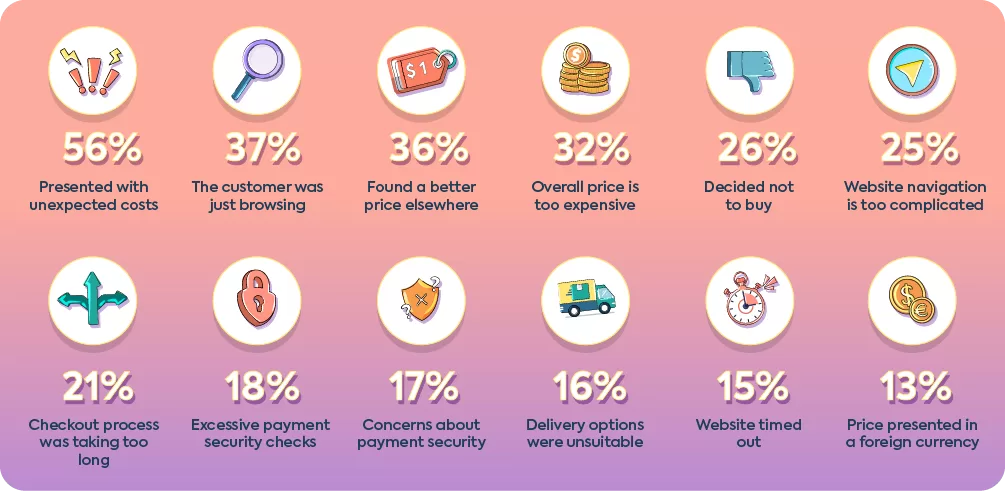
Bounce rate measures how quickly visitors leave your site after landing on it.
While it may not be a direct ranking factor, a lower bounce rate often correlates with higher rankings.
Reduce bounce rate by:
Creating content that focuses on search intent, giving readers exactly what they came for.
Improving design and readability; clean, professional layouts encourage readers to stay longer.
Adding visuals, examples, and clear formatting to make your content engaging.
The longer visitors stay, the more likely they are to explore other posts.


Backlinks remain one of the strongest ranking factors in SEO. To earn them, you need content that others want to reference and share.
Research shows that “why, what, how-to, guide posts,” and infographics attract more backlinks than average content.
Incorporating these formats into your content plan increases your chances of earning natural, high-quality links from other sites.

A team of SEO experts and SEO writers is ready to assist you. Reach out to our team and gain visibility, conversions and the ROI your business needs!


What are SEO blog writing services and why Iris Creatives?
SEO blog writing services create content that ranks and converts.
At Iris Creatives, our SEO blog writers combine storytelling with technical SEO to deliver blogs that attract traffic, build authority, and align with your brand voice.
Does blogging help SEO and how does Iris make it effective?
Yes, blogging boosts SEO when done strategically.
With Iris’ Edge Plan, we integrate content marketing, SEO, and competitor analysis to make your blog a consistent traffic and visibility driver.
How can Iris’ SEO blog writers grow my business?
Iris blog writers act as an extension of your team, creating high-quality, optimized blogs supported by broader marketing strategies.
Through our services, we provide the content and creative ecosystem needed to turn blogs into growth tools.